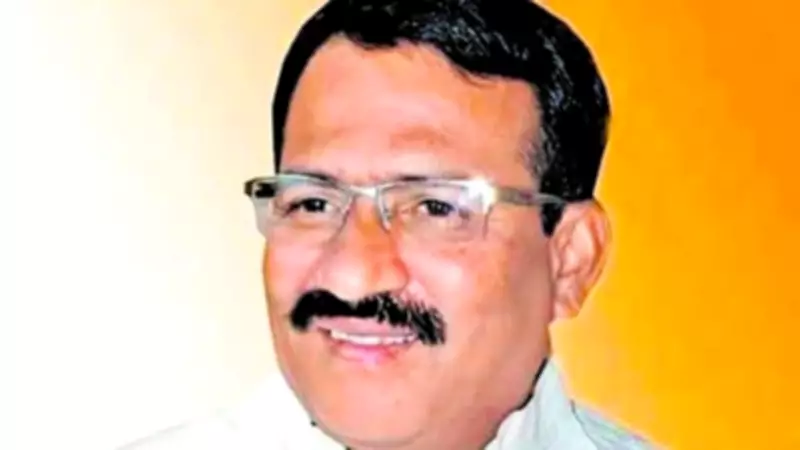
Karnataka Excise Minister Unveils Reforms, Vows to Stay in Office
In a significant development in Karnataka's political landscape, the state's Excise Minister has publicly detailed a series of reforms aimed at overhauling the liquor policy. Amidst ongoing controversies and public scrutiny, the minister has taken a firm stance, explicitly stating that he will not resign from his position. This announcement comes at a crucial time when the state government is under pressure to address issues related to excise regulations and transparency.
Key Reforms Outlined by the Minister
The minister listed several proposed changes to the excise department's operations, focusing on enhancing efficiency and reducing malpractices. These reforms include:
- Streamlining Licensing Processes: Simplifying the application and renewal procedures for liquor licenses to curb corruption and delays.
- Strengthening Enforcement Mechanisms: Implementing stricter monitoring and penalties for violations to ensure compliance with state laws.
- Promoting Digital Initiatives: Introducing technology-driven solutions for better tracking of sales and distribution, aimed at increasing revenue and accountability.
- Addressing Public Health Concerns: Incorporating measures to regulate alcohol consumption and prevent illicit trade, aligning with broader health policies.
These steps are part of a broader effort to modernize Karnataka's excise framework, which has faced criticism in recent months. The minister emphasized that the reforms are designed to benefit both the economy and society, by creating a more transparent and responsible system.

Minister's Firm Stance Against Resignation
Despite facing calls for his resignation from opposition parties and some public groups, the minister has categorically refused to step down. He asserted that his commitment to serving the state and implementing these reforms outweighs any political pressure. In his statement, he highlighted his dedication to improving the excise department's functioning and addressing the challenges head-on.
"I am here to do my duty and bring about positive changes. Resigning is not an option when there is so much work to be done," the minister declared, reinforcing his resolve to continue in office. This position has sparked discussions within Karnataka's political circles, with supporters praising his determination and critics questioning the effectiveness of the proposed measures.
Implications for Karnataka's Governance
The announcement of these reforms and the minister's refusal to quit have significant implications for the state's governance. On one hand, it signals a proactive approach to tackling long-standing issues in the excise sector, which could lead to improved revenue collection and reduced illegal activities. On the other hand, it may intensify political debates, as stakeholders assess the impact of these changes on various sectors, including business and public health.
As Karnataka navigates these developments, the focus will likely remain on how effectively the reforms are implemented and whether they achieve their intended goals. The minister's steadfastness in the face of adversity sets a precedent for accountability and resilience in state politics, making this a pivotal moment for the region's administrative framework.