Karnataka CAG Audit Uncovers Critical Flaws in MGNREGA Implementation
The Comptroller and Auditor General (CAG) of India has released a damning report on the implementation of the Mahatma Gandhi National Rural Employment Guarantee Act (MGNREGA) in Karnataka, highlighting severe deficiencies that undermine the scheme's objectives. The audit, covering recent years, points to alarmingly low employment generation and the presence of ghost workers, raising serious questions about the efficacy and transparency of the program in the state.
Low Employment Generation Under MGNREGA
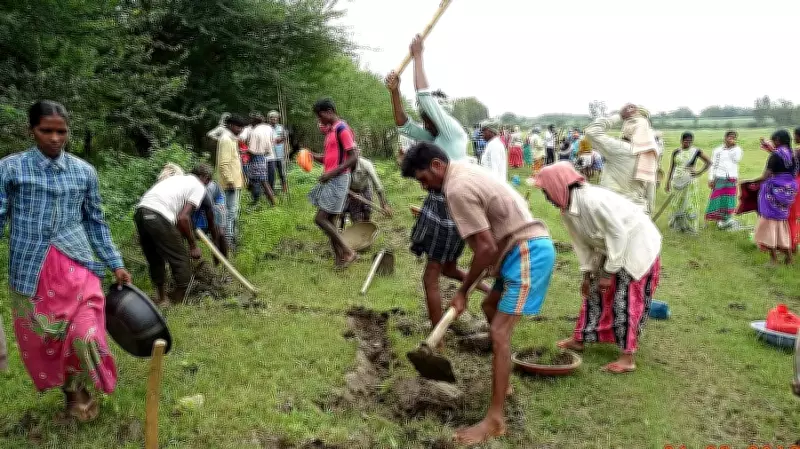
According to the CAG findings, Karnataka has failed to meet the employment targets set under MGNREGA, which guarantees 100 days of wage employment per financial year to every rural household. The audit reveals that the actual employment provided fell significantly short of the demand, with many districts reporting abysmal participation rates. This shortfall not only deprives rural households of crucial income but also indicates a systemic failure in mobilizing and managing labor resources effectively.
The report emphasizes that the low employment levels are exacerbated by delays in wage payments and inadequate project planning, leading to disillusionment among beneficiaries. In some cases, workers were not assigned tasks despite registering for work, further eroding trust in the scheme. The CAG has urged the state government to streamline processes and ensure timely execution of projects to boost employment figures.

Ghost Workers and Financial Irregularities
One of the most alarming revelations from the audit is the identification of ghost workers—non-existent or fictitious individuals—on the MGNREGA payrolls. This practice has led to the misappropriation of funds intended for genuine laborers, with money being siphoned off through fraudulent means. The CAG report details instances where payments were made to workers who had not actually performed any work, indicating collusion or negligence at various administrative levels.
The audit also uncovered other financial irregularities, such as:
- Overpayments and underpayments to workers due to inaccurate record-keeping.
- Funds being diverted for unauthorized purposes instead of being used for wage employment.
- Lack of proper verification mechanisms to authenticate worker identities and work completion.
These issues not only waste public resources but also compromise the integrity of MGNREGA, which is designed to provide a social safety net for the rural poor.
Implications and Recommendations
The CAG's findings have sparked concerns about the overall governance and accountability in Karnataka's rural development initiatives. The presence of ghost workers and low employment generation suggests that the state needs to overhaul its monitoring and implementation strategies for MGNREGA. The audit recommends several corrective measures, including:
- Strengthening biometric authentication systems to prevent ghost worker entries.
- Enhancing transparency through regular social audits and public disclosure of employment data.
- Improving coordination between local authorities and central agencies to ensure timely fund flow and project execution.
Failure to address these issues could lead to further erosion of public trust and hinder the scheme's goal of reducing rural poverty. The Karnataka government is now under pressure to take immediate action based on the CAG's recommendations to restore the effectiveness of MGNREGA in the state.