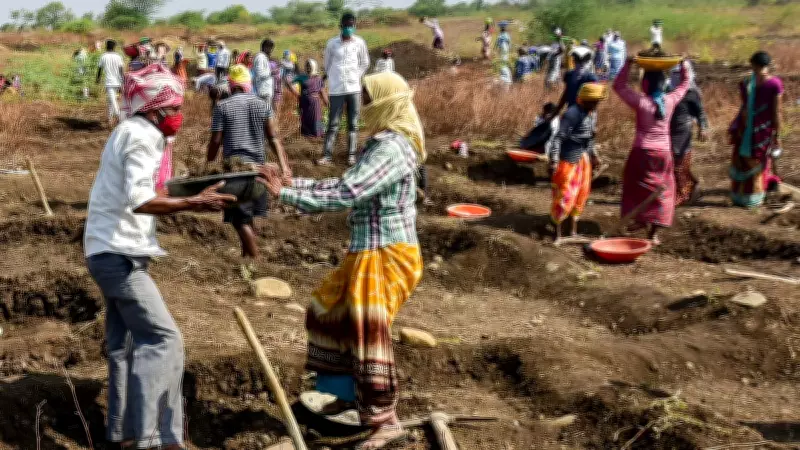
The state of Karnataka is currently in a state of anticipation and uncertainty regarding the allocation and utilization of a substantial budget of Rs 2,475 crore earmarked for the Mahatma Gandhi National Rural Employment Guarantee Act (MGNREGA). This situation has arisen due to the recent enactment of the new Viksit Bharat - Guarantee for Rozgar and Ajeevika Mission (Gramin) Act, commonly referred to as the VB-G RAM G Act, which has officially replaced the long-standing MGNREGA framework.
Transition to the New VB-G RAM G Act
The introduction of the VB-G RAM G Act marks a significant shift in India's rural employment and livelihood policies. This new legislation aims to enhance and streamline the guarantees for employment and self-employment opportunities in rural areas, building upon the foundations laid by MGNREGA. However, the transition has left Karnataka, along with other states, grappling with the need for clear guidelines and operational details to effectively implement the allocated funds.
Impact on Karnataka's Rural Development
With Rs 2,475 crore at stake, the lack of clarity poses potential risks to ongoing and planned rural development projects in Karnataka. The state government and local authorities are urgently seeking directives from the central government on how to align the existing budget with the new act's provisions. This includes understanding the scope of employment guarantees, eligibility criteria for beneficiaries, and the mechanisms for fund disbursement under the VB-G RAM G framework.

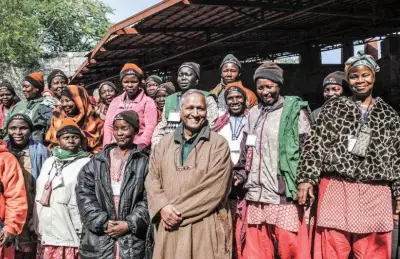
Stakeholders, including rural workers, community leaders, and non-governmental organizations, have expressed concerns about possible disruptions in employment schemes and welfare programs. The delay in clarification could hinder the timely execution of projects aimed at improving rural infrastructure, enhancing livelihoods, and reducing poverty in Karnataka's villages.
Broader Implications for National Policy
The replacement of MGNREGA with the VB-G RAM G Act reflects the central government's commitment to evolving rural employment strategies in line with the vision of a developed India (Viksit Bharat). While the new act promises more integrated and efficient approaches to rural job creation and skill development, its successful implementation hinges on seamless coordination between central and state authorities.
As Karnataka awaits further instructions, experts emphasize the importance of transparent communication and capacity-building initiatives to ensure a smooth transition. The resolution of this budget ambiguity will be crucial not only for Karnataka's rural economy but also for setting a precedent for other states adapting to the new legislative environment.
In summary, the Rs 2,475 crore budget for MGNREGA in Karnataka remains in limbo as the state navigates the complexities introduced by the VB-G RAM G Act. Clarity from the central government is eagerly anticipated to safeguard rural employment and advance developmental goals under the renewed policy framework.