Karnataka Assembly Revisits Illegal Mining Scandal After 15 Years
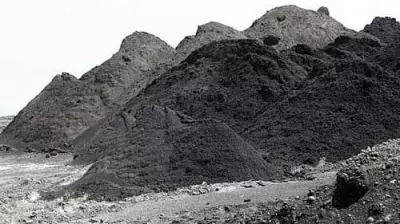
The Karnataka Legislative Assembly has once again become the focal point for heated discussions surrounding the illegal mining controversy that shook the state's political landscape over a decade ago. This renewed debate marks a significant moment, coming exactly fifteen years after the initial revelations of widespread illicit iron ore extraction first came to light.
Mining Barons Under Scrutiny Once More
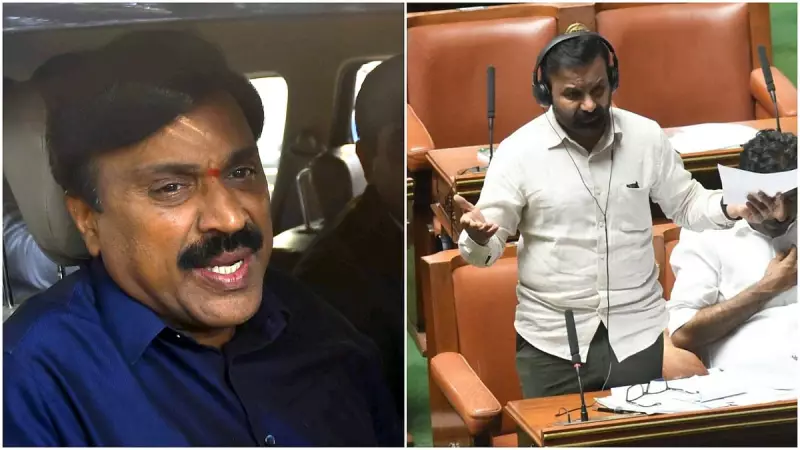
Central to these renewed discussions are two prominent figures: G Janardhan Reddy and Santosh Lad. Both individuals, often described as mining barons, have faced serious accusations related to their alleged involvement in the multi-crore illegal iron ore extraction scam. This scandal not only caused substantial financial losses but also triggered major political upheavals across Karnataka during its peak.
The return of this topic to the Assembly floor highlights how deeply embedded the issue remains within the state's political consciousness. Lawmakers are now revisiting old evidence and examining new developments that have emerged over the past decade and a half.

Historical Context and Political Ramifications
When the illegal mining operations were first exposed more than ten years ago, they sent shockwaves through Karnataka's governance structures. The scale of the alleged activities was staggering, involving billions of rupees worth of iron ore extracted without proper authorization or adherence to environmental regulations.
The scandal led to numerous investigations, legal battles, and significant changes in mining policies. It also played a crucial role in shaping electoral outcomes and political alliances within the state. Now, with the debate resurfacing, there is renewed interest in understanding how these events continue to influence current political dynamics and policy decisions.
Current Assembly Discussions and Future Implications
During the recent Assembly session, legislators from various parties engaged in passionate exchanges about the legacy of the illegal mining scandal. Key points of discussion included:
- The ongoing legal status of cases involving the accused mining barons
- The effectiveness of regulatory reforms implemented since the scandal
- Environmental rehabilitation efforts in mining-affected regions
- Measures to prevent similar occurrences in the future
These discussions are not merely historical reflections but carry significant implications for Karnataka's economic policies, environmental protection efforts, and political accountability mechanisms. The renewed focus suggests that the illegal mining issue remains unresolved in many respects, continuing to demand attention from both lawmakers and the public.
As the debate unfolds, observers are watching closely to see whether this renewed attention will lead to concrete actions, further investigations, or policy adjustments. The fact that this topic has returned to the Assembly after fifteen years demonstrates its enduring relevance in Karnataka's political narrative.