Himachal Deputy CM Appeals to PM Modi Amid Finance Commission Grant Crisis
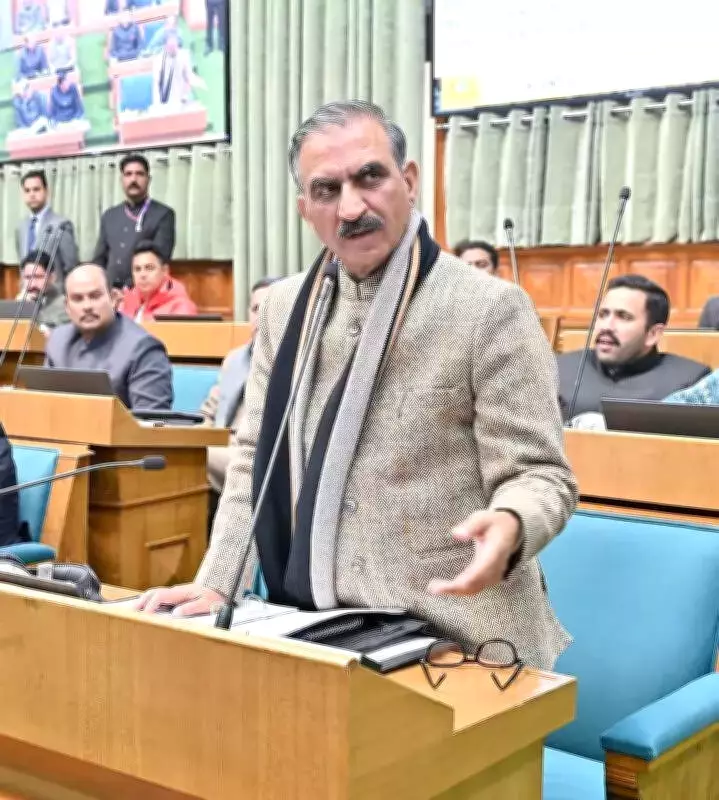
In a dramatic session of the state assembly, Deputy Chief Minister Mukesh Agnihotri of Himachal Pradesh issued an urgent plea for Prime Minister Narendra Modi's intervention regarding the contentious decision by the 16th Finance Commission to withdraw the revenue deficit grant (RDG) to the state. Agnihotri, addressing the assembly during discussions on a resolution against the abrupt stoppage of the grant, framed the issue as a critical matter of state rights and identity, warning that a staggering Rs 55,000 crore is at stake for Himachal Pradesh.
Call for Cross-Party Support and Constitutional Concerns
Agnihotri appealed directly to BJP legislators, led by Leader of the Opposition Jairam Thakur, to support the resolution urging the central government to restore the RDG. He emphasized that this grant constitutes nearly 13% of the state's budget, making its discontinuation a severe blow to financial stability. Holding a copy of the Constitution, Agnihotri cited the framers' vision of revenue sharing between the Centre and states, arguing that only 41% of central funds currently reach states, which he described as a deviation from constitutional principles.
"This is the question of Himachal and Himachaliyat. The larger states' lobby prevailed this time, depriving smaller states like ours of rightful funds," Agnihotri asserted, highlighting what he perceives as an imbalance in federal financial allocations. He stressed that if all 68 MLAs in the Vidhan Sabha do not unite in support of the resolution against the RDG discontinuation, it would set a historical record of neglect for the state's interests.

Allegations of Financial Curtailment and Mismanagement
Further escalating the debate, Agnihotri alleged that the Centre has been systematically curtailing states' rights in recent years. He pointed to the non-release of Rs 1,227 crore under the Jal Jivan Mission as a specific example of this trend. Additionally, he accused the leader of the opposition of approaching the Centre to block funds to the state government, intensifying the political rift over fiscal matters.
In response, the BJP mounted a robust defense, questioning the financial management of the Congress-led state government. Leader of the Opposition Jairam Thakur challenged whether the state has ever acknowledged the crores of rupees released by the Centre under various schemes. BJP MLA Bikram Singh cited delays in pension disbursements by the Himachal Road Transport Corporation, which is headed by Agnihotri, even while the state was receiving RDG funds.
Counterarguments and Broader Implications
BJP MLAs Vinod Kumar and Prakash Rana accused the government of using the RDG issue as an excuse to delay employees' dearness allowances and shirk responsibilities. They questioned why the state government has not settled liabilities, including the pending 13% dearness allowance for state employees, and criticized expenditures such as increasing allowances for various chairmen and purchasing SUVs for Agricultural Produce and Marketing Committees (APMC) chairmen amid alleged financial distress.
Congress MLAs defended the grant vigorously. Bhawani Singh Pathania challenged the opposition to clarify their stance on the issue, while Technical Education Minister Rajesh Dharmani emphasized that the abrupt cessation of RDG could hinder the state's progress towards revenue independence. Dharmani urged cross-party support for decisions in Himachal Pradesh's interest, warning that without the grant, the state's developmental trajectory might be compromised.
The assembly session underscored deep-seated tensions over federal financial relations, with both sides trading accusations of mismanagement and neglect. As Himachal Pradesh grapples with the potential loss of a significant revenue stream, the call for PM Modi's intervention highlights the high stakes involved in this fiscal dispute, which could set precedents for other smaller states in India.