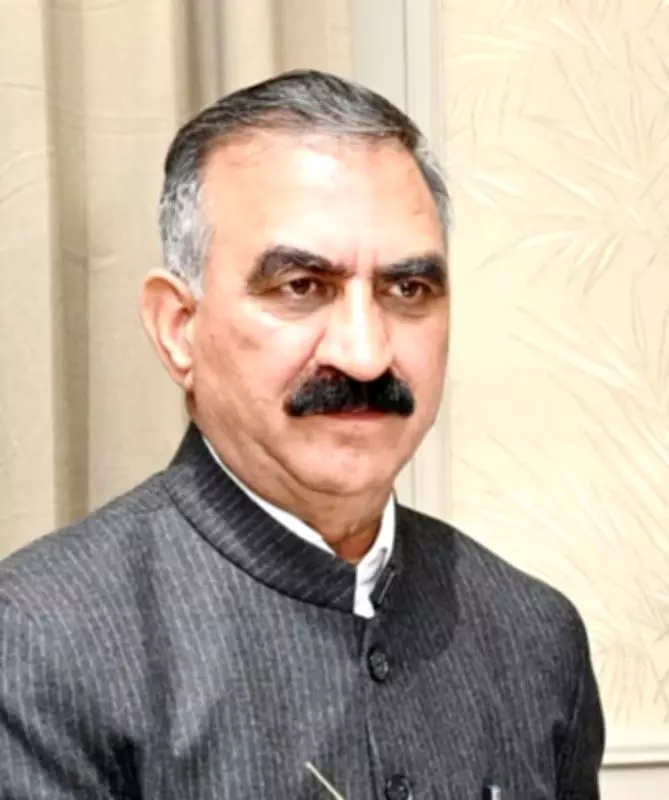
Himachal CM Sukhu Signals Rethink on MLA Area Development Allocations
In a significant move aimed at bolstering governance and fiscal responsibility, Himachal Pradesh Chief Minister Sukhvinder Singh Sukhu has indicated a potential review of the area development allocations provided to Members of the Legislative Assembly (MLAs). This development comes amid growing scrutiny over the utilization of public funds and the need for more targeted and transparent spending in the state.
Background and Context
The area development funds, often referred to as MLA Local Area Development (LAD) schemes, are discretionary grants allocated to each MLA for undertaking development projects in their respective constituencies. These funds are intended to address local infrastructure needs, such as road repairs, water supply systems, and community facilities, based on the direct input of elected representatives.
However, concerns have been raised regarding the effectiveness and accountability of these allocations. Critics argue that the funds are sometimes used for projects that lack proper planning or do not align with broader state development goals, leading to inefficiencies and potential misuse.

CM Sukhu's Stance
Chief Minister Sukhvinder Singh Sukhu, in recent statements, has emphasized the need for a thorough reassessment of how these funds are managed and disbursed. He highlighted that while the intention behind MLA allocations is to empower local representatives, there is a pressing need to ensure that every rupee spent contributes meaningfully to public welfare and sustainable development.
Sukhu stated, "We are committed to enhancing transparency and efficiency in governance. A rethink on MLA area development allocations is necessary to align them with our state's priorities and ensure optimal use of resources."
Potential Implications
The proposed review could lead to several changes in the current system:
- Enhanced Oversight: Implementation of stricter monitoring mechanisms to track fund utilization and project outcomes.
- Priority-Based Allocation: Redirecting funds towards high-impact areas such as healthcare, education, and rural infrastructure.
- Community Involvement: Encouraging greater public participation in decision-making processes to ensure projects meet local needs.
This move is seen as part of the state government's broader efforts to streamline administrative processes and foster accountable governance. It reflects a shift towards more data-driven and outcome-oriented approaches in public spending.
Reactions and Future Steps
While the announcement has been welcomed by transparency advocates and civil society groups, some MLAs have expressed concerns about potential reductions in their discretionary powers. The government is expected to engage in consultations with stakeholders, including legislators and local bodies, before finalizing any policy changes.
Officials indicate that the review process will involve a comprehensive analysis of past expenditures and project outcomes, with recommendations likely to be presented in the coming months. The aim is to strike a balance between empowering MLAs and ensuring that development funds are used effectively for the benefit of all citizens.
In conclusion, Chief Minister Sukhu's signal to rethink MLA area development allocations marks a proactive step towards reforming governance in Himachal Pradesh. By prioritizing transparency and efficiency, the state aims to set a precedent for responsible fiscal management and inclusive development.