Haryana Farmers Defy Government Orders, Ignite Stubble Burning Along KMP Expressway
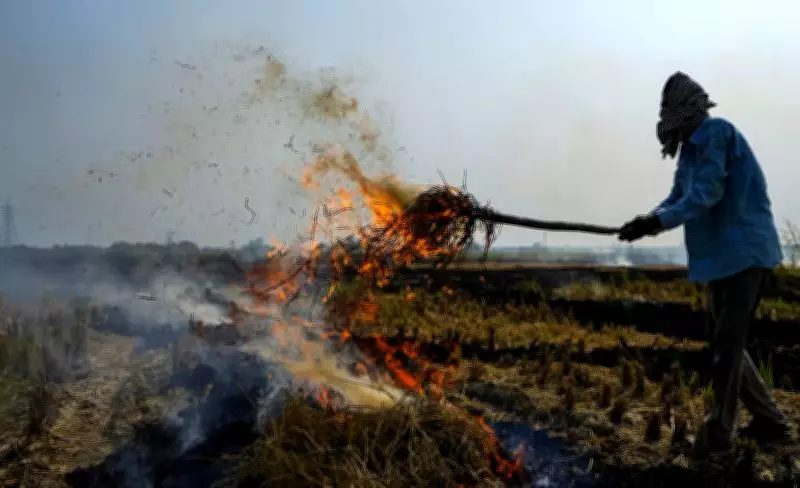
In a bold act of defiance, farmers in Haryana have openly flouted government directives by engaging in widespread stubble burning, a practice that has triggered significant air pollution along the Kundli-Manesar-Palwal (KMP) Expressway. This illegal activity, which involves setting fire to crop residue after harvest, has not only violated environmental regulations but also sparked serious concerns about public health and safety in the surrounding areas.
Defiance Leads to Environmental Crisis
The farmers' refusal to comply with orders has resulted in thick plumes of smoke engulfing the KMP Expressway, a major transportation artery in the region. This has drastically reduced visibility and worsened air quality, posing risks to motorists and local residents alike. The burning of stubble releases harmful pollutants such as particulate matter, carbon monoxide, and other toxic gases, contributing to the already alarming levels of air pollution in Haryana and neighboring states.
Government Measures Ignored

Despite strict prohibitions and awareness campaigns by authorities to curb stubble burning, farmers have chosen to continue this practice, citing economic pressures and lack of viable alternatives for managing crop residue. The government has implemented various schemes, including subsidies for machinery like happy seeders and balers, but many farmers argue that these solutions are either inaccessible or insufficient to address their immediate needs.
Health and Safety Implications
The pollution caused by stubble burning along the KMP Expressway has raised red flags for public health. Exposure to the smoke can lead to respiratory issues, eye irritation, and other ailments, particularly affecting vulnerable groups such as children, the elderly, and individuals with pre-existing health conditions. Additionally, the reduced visibility on the expressway increases the likelihood of accidents, endangering commuters and disrupting traffic flow.
Environmental experts warn that if this trend persists, it could exacerbate the region's air quality crisis, especially during the winter months when atmospheric conditions trap pollutants closer to the ground. This could lead to longer-term environmental degradation and health problems for the population.
Call for Sustainable Solutions
In response to the ongoing defiance, there is a growing call for more effective and sustainable solutions to address the root causes of stubble burning. Suggestions include:
- Enhancing access to affordable machinery for residue management.
- Providing financial incentives for farmers who adopt eco-friendly practices.
- Strengthening enforcement of anti-burning laws with stricter penalties.
- Promoting alternative uses of crop residue, such as in bioenergy or composting.
As the situation unfolds, authorities are urged to take immediate action to mitigate the pollution and engage with farmers to find a balanced approach that respects both agricultural livelihoods and environmental sustainability. The defiance along the KMP Expressway serves as a stark reminder of the urgent need for collaborative efforts to tackle this persistent issue.