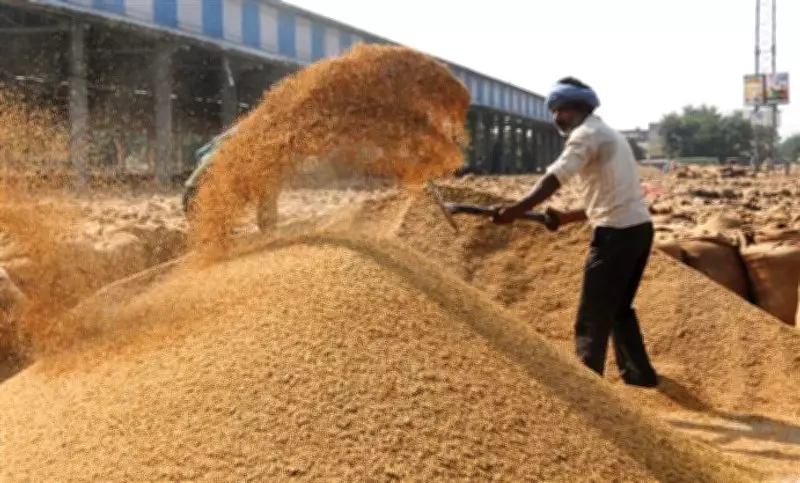
Haryana Agricultural Marketing Board Implements Strict Reforms in Crop Procurement Process
The Haryana State Agricultural Marketing Board (HSAMB) has announced a significant policy shift aimed at overhauling the state's agricultural procurement system. In a decisive move to promote transparency and accountability, the board has officially banned the use of informal documents known as "kachi parchis" during the procurement of crops. This prohibition is part of a broader initiative to streamline operations and eliminate irregularities that have plagued the process in the past.
Mandatory J-Form Implementation for All Transactions
Concurrently, the HSAMB has mandated the exclusive use of official J-Forms for all crop procurement activities. The J-Form is a standardized, government-issued document designed to record transactions accurately and ensure that farmers receive timely payments for their produce. This requirement is expected to provide a verifiable trail of procurement, reducing the risk of fraud and enhancing the efficiency of the entire supply chain.
The primary objective behind these changes is to curb malpractices and foster a more equitable environment for farmers. Historically, the use of kachi parchis—unofficial slips or receipts—has been associated with various issues, including delayed payments, underreporting of quantities, and exploitation of farmers by middlemen. By eliminating these informal records, the board aims to protect farmers' interests and ensure they receive fair compensation for their crops.

Enhanced Transparency and Accountability Measures
This reform is aligned with the Haryana government's ongoing efforts to modernize agricultural practices and improve governance in the sector. The mandatory adoption of J-Forms is anticipated to bring greater transparency to procurement operations, making it easier to monitor transactions and hold accountable those involved in any misconduct. Authorities believe that this move will not only benefit farmers but also contribute to the overall development of the state's agricultural economy.
Farmers and stakeholders are encouraged to familiarize themselves with the new procedures to ensure a smooth transition. The HSAMB has indicated that it will provide necessary support and guidance to facilitate compliance with the updated regulations. This initiative reflects a proactive approach to addressing long-standing challenges in crop procurement, with the ultimate goal of creating a more robust and farmer-friendly system in Haryana.