Greater Bengaluru Authority Drafts Policy to Prohibit Street Vending on Roads and Footpaths
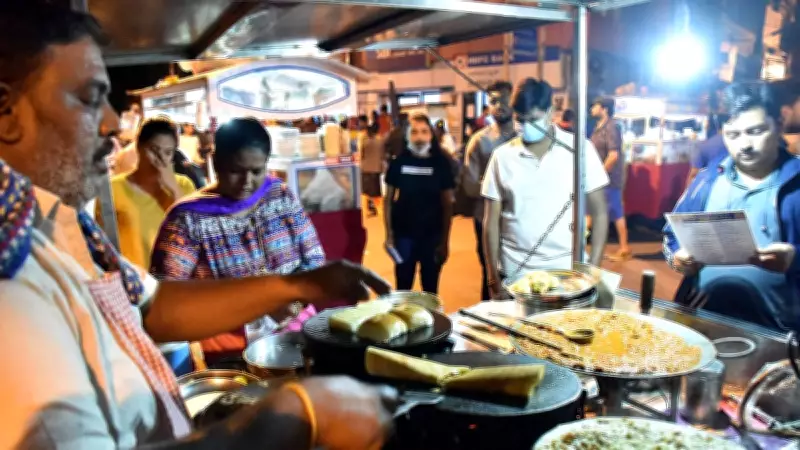
The Greater Bengaluru Authority (GBA) is actively formulating a comprehensive policy aimed at banning street vending activities on roads and footpaths across Bengaluru. This initiative seeks to address long-standing issues related to pedestrian safety, traffic congestion, and urban aesthetics in India's tech capital.
Key Objectives of the Proposed Policy
The primary goal of this policy is to create a more organized and safe urban environment. By prohibiting vending on roads and footpaths, the GBA intends to:
- Enhance pedestrian safety by clearing obstructed walkways, reducing accidents and improving accessibility for all citizens, including those with disabilities.
- Improve traffic flow by eliminating encroachments that often cause bottlenecks and delays, particularly in high-density areas.
- Promote hygienic conditions by regulating vending zones to prevent littering and maintain public health standards.
- Support legitimate vendors through potential alternative arrangements, such as designated vending zones or markets, to ensure their livelihoods are not unduly impacted.
Challenges and Considerations
Implementing this policy presents several challenges. Street vending is a significant source of income for thousands of individuals in Bengaluru, and a sudden ban could lead to economic hardship. The GBA must balance enforcement with social welfare, possibly by integrating existing vendors into formalized systems. Additionally, logistical issues like identifying suitable alternative locations and ensuring compliance will require careful planning and community engagement.

Past efforts to regulate vending have faced resistance from vendor associations and legal hurdles, highlighting the need for a nuanced approach that considers all stakeholders. The policy is expected to undergo public consultations to gather feedback and refine its provisions before finalization.
Impact on Urban Infrastructure and Daily Life
If successfully implemented, the policy could transform Bengaluru's urban landscape. Clear footpaths would encourage walking and reduce reliance on vehicles, aligning with broader sustainability goals. Improved traffic management might ease commute times, benefiting both residents and businesses. However, it may also alter the city's vibrant street culture, which many associate with its unique character.
The GBA's move reflects a growing trend in Indian cities to modernize infrastructure while addressing informal sector dynamics. As Bengaluru continues to expand, such policies are crucial for maintaining order and enhancing quality of life.