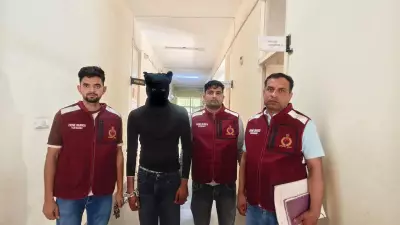
Five Horticulture Department Employees Arrested in Ambala Subsidy Scam
In a significant development, five employees of the Haryana Horticulture Department have been arrested in Ambala for their alleged involvement in a subsidy scam. The arrests come after a thorough investigation by local authorities, who uncovered evidence of fraudulent claims and financial irregularities linked to government subsidies intended for horticulture initiatives.
Details of the Subsidy Scam
The scam reportedly involved the misappropriation of funds allocated for horticulture subsidies, which are designed to support farmers and promote agricultural development in the region. According to officials, the arrested employees are accused of manipulating records and submitting false claims to siphon off public money. This has raised serious concerns about the integrity of subsidy distribution mechanisms in Haryana's horticulture sector.
Investigation and Legal Proceedings
Authorities in Ambala launched an investigation following tips and complaints about suspicious activities within the Horticulture Department. The probe revealed a network of corruption, leading to the identification and subsequent arrest of the five employees. Legal proceedings are now underway, with charges expected to be filed under relevant sections of the Indian Penal Code and anti-corruption laws. The case highlights ongoing efforts to combat graft in government schemes.

Impact on Horticulture Sector
This incident has cast a shadow over the horticulture sector in Haryana, potentially affecting farmers who rely on subsidies for their livelihoods. Experts warn that such scams can undermine public trust and hinder agricultural growth, calling for stricter oversight and transparency in subsidy disbursement. The state government has assured that measures will be taken to prevent similar occurrences in the future.
Broader Implications for Governance
The arrest of these employees underscores broader issues of corruption and accountability in public administration. It serves as a reminder of the need for robust monitoring systems to safeguard public funds. As the case progresses, it may prompt reforms in how subsidies are managed and distributed across various departments in Haryana and beyond.