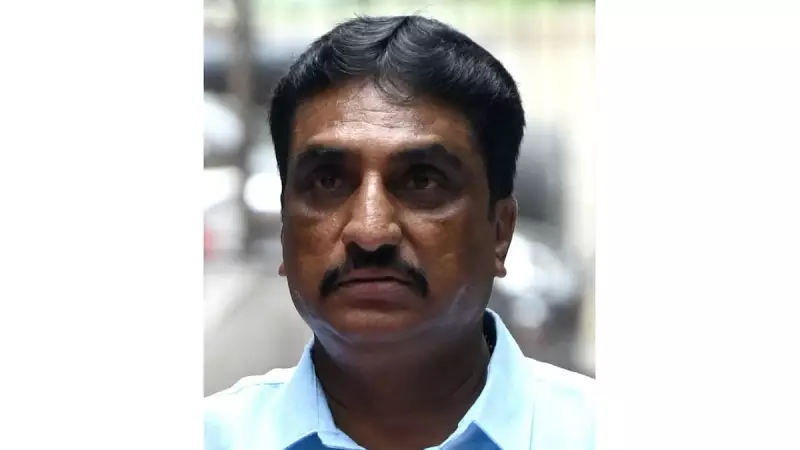
A stark warning about the financial health of Bengaluru's urban governance structures has been issued by former corporator N R Ramesh. He has raised serious concerns, stating that the Greater Bengaluru Authority (GBA) and the newly formed civic bodies are at a severe risk of facing bankruptcy.
Precarious Financial Position Revealed
According to Ramesh, the core of the problem lies in critically low revenue generation. The corporations collectively gather a mere Rs 4,500 crore through property taxes. This figure represents a significant shortfall against their operational and developmental expenditures.
Ramesh provided a detailed breakdown, indicating that even when other potential income streams are factored in, the situation remains dire. He stated that if revenues from plan sanctions and all other sources are included, the total income would only rise to approximately Rs 5,850 crore. This projected total is still considered insufficient to manage the vast responsibilities of governing a metropolis like Bengaluru, covering infrastructure, sanitation, and public services.
Implications for Bengaluru's Future
The warning, issued on 01 December 2025, highlights a looming crisis in urban management. A bankrupt civic body would be unable to fund essential services, leading to a rapid deterioration in the city's quality of life. Projects related to roads, water supply, waste management, and public parks could face indefinite delays or cancellation.
This financial strain directly impacts the city's ability to grow sustainably and address its long-standing infrastructural challenges. The gap between income and the city's needs points to a systemic issue in revenue mobilization and fiscal planning.
Call for Urgent Fiscal Restructuring
The analysis by the former corporator underscores an urgent need for a comprehensive review of the financial model governing Bengaluru. Experts suggest that the following steps are critical:
- Broadening the Tax Base: Improving property tax collection efficiency and exploring new, sustainable revenue models.
- Rationalizing Expenditure: Prioritizing spending and eliminating wasteful projects to ensure optimal use of available funds.
- Seeking State Support: Advocating for a fair share of state grants and funds to support the city's contribution to the wider economy.
Without immediate and decisive intervention to bridge this revenue gap, the threat of insolvency for Bengaluru's civic authorities will continue to grow, potentially paralyzing the administration of India's tech capital.