Thrikkakara and Kalamassery, two of Kerala's most affluent municipalities, are solidifying their status as the primary financial engines of Ernakulam district. This growth is fueled by substantial revenue generation and significant potential for swift urban expansion. However, this financial success story is now overshadowed by fierce political battles and serious allegations of administrative failure and corruption as development takes center stage in local campaigns.
Economic Powerhouses: Revenue and Development Drivers
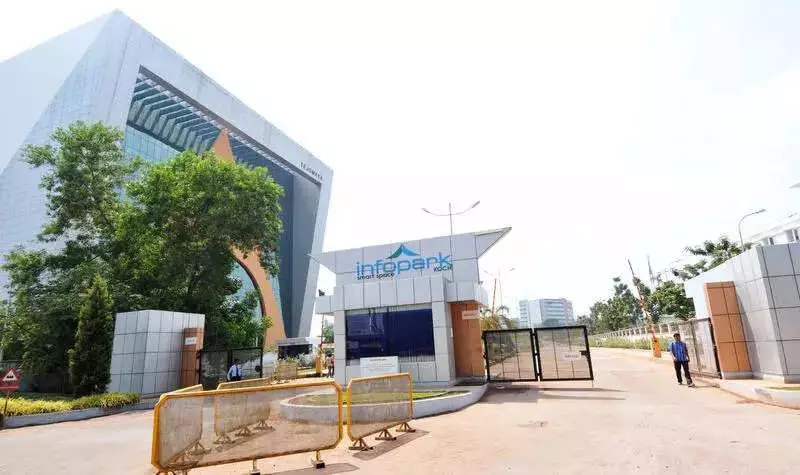
Thrikkakara, hosting major business hubs like Infopark and the Cochin Special Economic Zone, consistently elevates its development benchmarks. A surge in commercial establishments, apartment complexes, and IT investments has dramatically increased the local body's tax collection. The anticipated extension of the Kochi Metro to Kakkanad is expected to further amplify its revenue and development trajectory.
Meanwhile, Kalamassery continues to leverage its strong industrial foundation, prominent shopping malls, and a rapidly growing residential sector. Future transformations are poised with the proposed industrial park and the ambitious Rs 1,000-crore Judicial City project.
The financial numbers underscore their prosperity. For the 2023-24 fiscal year, Thrikkakara recorded a total revenue of Rs 78.8 crore, which included Rs 15.1 crore from user fees and rental income of Rs 53.2 lakh. Its expenses stood at Rs 41.8 crore. Kalamassery municipality reported a revenue of Rs 37.52 crore against an expenditure of Rs 34.94 crore. Their budgets for the current year project even higher incomes: Rs 144.23 crore for Thrikkakara and Rs 105.65 crore for Kalamassery.
Political Firestorm: Allegations of Corruption and Stalled Projects
Despite the impressive revenue inflows, both municipalities face intense criticism for failing to deliver key projects. The Left Democratic Front (LDF) has launched a strong offensive against the United Democratic Front (UDF)-led administrations, accusing them of corruption and inefficiency.
Opposition leader M K Chandrababu made severe allegations against the Thrikkakara council, stating, "There is corruption from top to bottom. The UDF cheated residents with misappropriation of food kits for the extremely poor as well as mismanagement of municipality funds to the tune of Rs 30 crore which the vigilance is currently investigating."
Adding weight to the criticism, an RTI reply revealed that Thrikkakara municipality had failed to construct a single house under the state's LIFE Mission scheme. Senior CPM leader Mujeeb Rahman, who is coordinating the party's poll activities, claimed, "Over 800 applicants have been waiting for houses during the nine years of UDF rule. This situation will change once we take charge."
The opposition has also highlighted poor waste management and a slow pace in completing housing and road projects, despite the municipalities' high revenue status. Audit reports in recent years have also flagged financial irregularities in both local bodies.
The Road Ahead: Prosperity Amidst Scrutiny
The narrative around Thrikkakara and Kalamassery is now a complex tale of contrasting realities. On one hand, they are undeniable economic powerhouses with robust revenue models and bright prospects for urban growth, driven by IT, industry, and infrastructure projects like the Metro extension and Judicial City.
On the other hand, they are embroiled in political controversy, with flagship projects stalling or remaining on paper. The allegations of fund mismanagement and failure to provide basic amenities like housing for the underprivileged cast a long shadow over their financial achievements. The coming period will be crucial in determining whether these municipalities can translate their economic strength into tangible, corruption-free development for all residents.