Enforcement Directorate's Jalandhar Unit Severely Impacted by Mass Transfer of Officers
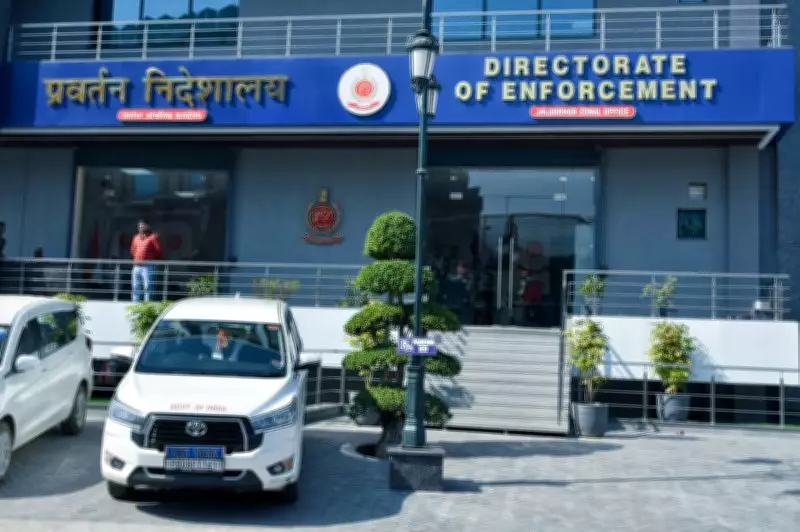
The Enforcement Directorate (ED) unit in Jalandhar, Punjab, is grappling with a significant operational crisis following the sudden transfer of 13 of its officers. This mass reshuffle has effectively crippled the unit's ability to function, raising serious questions about the continuity of high-profile investigations and the potential for political meddling in the state's law enforcement apparatus.
Details of the Disruptive Transfers
According to official sources, the transferred officers include the deputy director, who was the senior-most official at the Jalandhar unit, along with several assistant directors and enforcement officers. These individuals were reportedly handling a range of sensitive cases, including money laundering probes linked to drug trafficking, illegal mining operations, and other financial crimes prevalent in the region.
The transfers were executed through a routine order from the central government, but their timing and scale have sparked controversy. With the unit now left with a skeletal staff, routine operations such as raids, evidence collection, and case filings have come to a virtual standstill. This disruption is expected to delay ongoing investigations, potentially allowing suspects to tamper with evidence or evade legal scrutiny.

Implications for Ongoing Investigations and Public Trust
The Enforcement Directorate is a premier financial investigation agency under the Union Ministry of Finance, tasked with enforcing laws related to money laundering and foreign exchange violations. The Jalandhar unit has been instrumental in several high-stakes cases in Punjab, a state that has long battled issues like drug abuse and corruption.
Experts warn that this mass exodus of experienced officers could severely undermine the integrity of these investigations. There are growing concerns that the transfers may be politically motivated, aimed at stalling probes that could implicate influential figures. Such perceptions erode public confidence in the agency's independence and its role as a watchdog against economic offenses.
Furthermore, the disruption comes at a critical juncture when the ED is expected to ramp up its efforts ahead of the state assembly elections. The vacuum created by the transfers may also demoralize the remaining staff, affecting overall morale and efficiency within the unit.
Broader Context and Reactions
This incident is not isolated; it reflects a broader pattern of bureaucratic reshuffles that often impact investigative agencies in India. However, the scale of the disruption in Jalandhar is particularly alarming. Opposition parties in Punjab have seized upon the issue, alleging that the ruling dispensation is attempting to shield its allies from scrutiny.
In response, ED officials have maintained that transfers are a routine administrative process and that efforts are underway to fill the vacancies promptly. They assure that the agency remains committed to its mandate, though the immediate operational challenges are undeniable.
The situation underscores the delicate balance between administrative prerogatives and the need for stability in law enforcement. As the ED scrambles to restore normalcy, the episode serves as a stark reminder of how personnel changes can have far-reaching consequences on governance and accountability in Punjab.