Durgapur's Electoral Crossroads: Development Takes Center Stage
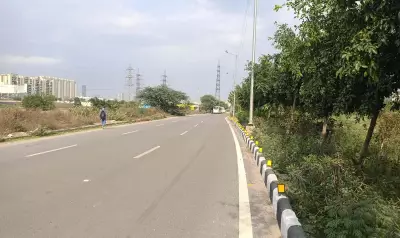
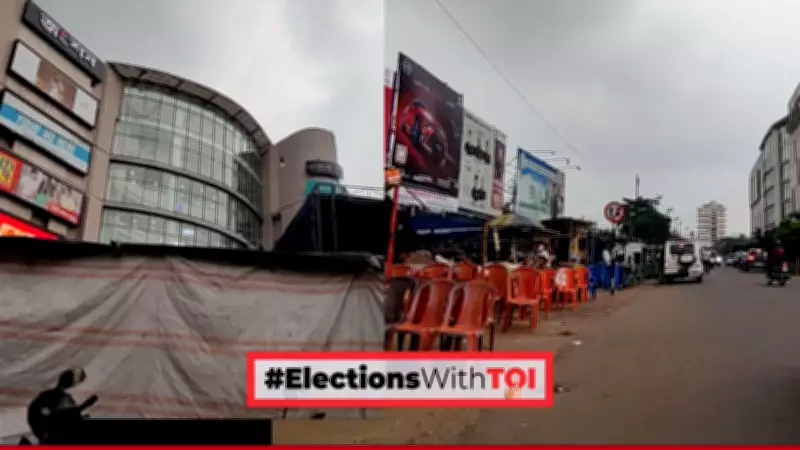
In the industrial heartland of West Bengal, Durgapur finds itself at a critical juncture as rapid urbanization fundamentally reshapes its political landscape ahead of upcoming elections. This once predominantly industrial city is undergoing a remarkable transformation, balancing traditional manufacturing identity with emerging service sector growth and modern infrastructure development.
The Battle for Bengal's Industrial Hub
Two major political forces are locked in an intense contest for Durgapur's electoral allegiance. The All India Trinamool Congress (TMC) and the Bharatiya Janata Party (BJP) have both centered their campaigns on ambitious development promises and industrial revival plans. Each party is presenting distinct visions for Durgapur's future, with candidates emphasizing:
- Job creation through industrial rejuvenation
- Modern infrastructure development
- Urban service sector expansion
- Improved quality of life for residents
Voter Sentiment: Tradition Versus Transformation
The electorate in Durgapur remains deeply divided between competing priorities. Many voters are torn between preserving the city's traditional industrial identity and embracing new economic opportunities presented by urbanization. This tension creates a complex electoral dynamic where development has emerged as the dominant theme.

"The transformation of Durgapur from an industrial center to a more diversified urban economy reflects broader changes across India's Tier-2 cities," observes political analysts monitoring the contest. The city's evolution mirrors national trends of urban expansion while maintaining unique local characteristics that influence voter behavior.
Development as the Defining Electoral Issue
What makes Durgapur particularly significant is how development concerns have completely overshadowed other political issues. Both major parties recognize that their electoral fortunes hinge on convincing voters about their ability to:
- Revitalize traditional industries while fostering new economic sectors
- Manage urban growth effectively
- Deliver tangible infrastructure improvements
- Balance economic development with social welfare
The political discourse has become almost exclusively focused on development metrics, with candidates competing to present the most convincing blueprint for Durgapur's future prosperity. This represents a significant shift from previous electoral cycles where identity politics often played a more prominent role.
The Tier-2 Battleground Phenomenon
Durgapur's electoral importance extends beyond its immediate boundaries, serving as a bellwether for political trends in India's rapidly developing Tier-2 cities. The contest here offers insights into how urbanization is reshaping political priorities across similar urban centers nationwide. The outcome could signal broader patterns in how development-focused politics resonates with urbanizing populations.
As election day approaches, Durgapur stands as a microcosm of India's evolving urban political landscape, where development promises have become the primary currency of electoral competition and where traditional industrial identities must negotiate with emerging urban realities.