In a decisive political statement, Tamil Nadu's ruling Dravida Munnetra Kazhagam (DMK) has formally turned down demands from sections of its ally, the Indian National Congress, for a share in power following the upcoming state assembly elections. The rejection was articulated by senior DMK leader and minister, I Periyasamy, who asserted that Tamil Nadu would continue its long-standing tradition of single-party governance.
DMK's Firm Stance on Single-Party Rule
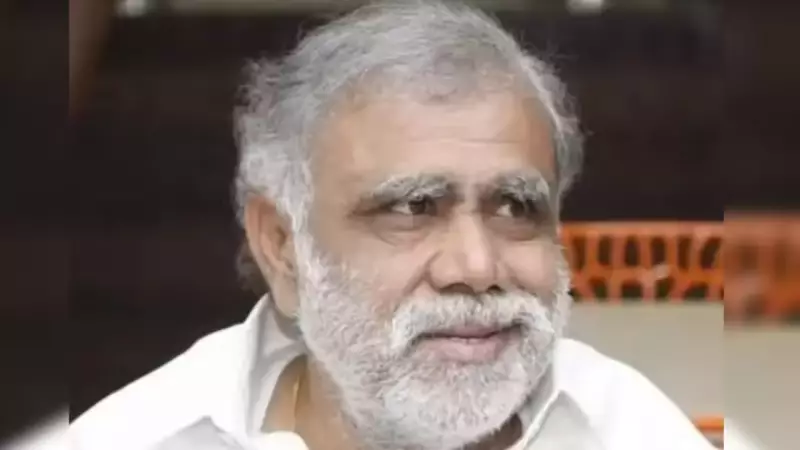
Speaking in Dindigul on Sunday, Minister I Periyasamy, who also serves as the DMK's deputy general secretary and the Minister for Rural Administration, made the party's position unequivocally clear. He stated that Chief Minister M K Stalin is firm on maintaining the precedent where Tamil Nadu is governed by a single party. Periyasamy acknowledged that while the Congress is within its rights to put forth the demand, the DMK leadership is not inclined to accept it. This marks the first official rejection from the DMK after the demand gained momentum over several months.
Internal Divisions Within the Alliance
The issue of power-sharing has created visible fissures within the DMK-led alliance. While a section of the Congress, including MP Manickam Tagore, has vocally advocated for a coalition model—arguing that no single party can win elections alone in Tamil Nadu—other allies hold different views. Parties like the VCK, Left parties, and the MDMK do not insist on a formal coalition government. Interestingly, the division exists even within the state Congress unit. While state chief K Selvaperunthagai does not press the demand, AICC in-charge for Tamil Nadu, Girish Chodankar, has strongly pushed for it, suggesting parties should call themselves "NGOs" if they declare they do not want power.

Historical Context and Future Implications
Despite crediting its alliance partners for successive electoral victories, the DMK has consistently resisted formal power-sharing arrangements. Periyasamy's remarks highlight a strategic adherence to Tamil Nadu's political history, which has largely seen single-party rule, whether by the DMK or its rival AIADMK. The public rejection sets the stage for potential renegotiations within the alliance as the state approaches the crucial summer polls. It underscores the DMK's confidence in seeking a clear mandate while managing the expectations of its key partner, the Congress, whose support remains vital in the multi-cornered electoral battles of Tamil Nadu.