Dilip Ray Clinches Rajya Sabha Seat in Odisha Amid Political Turmoil
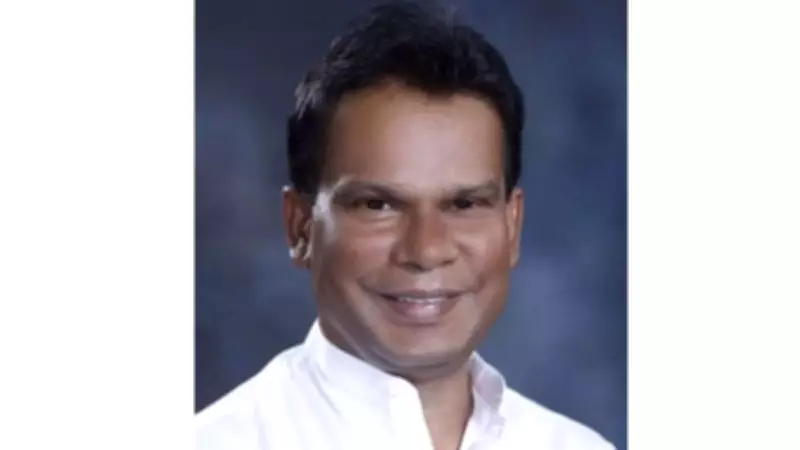
In a significant political development, former Union Minister Dilip Ray has been elected to the Rajya Sabha from Odisha. The election, held on March 16, 2026, was marked by unexpected cross-voting from legislators of the ruling Biju Janata Dal (BJD) and the opposition Congress, leading to a dramatic outcome that has sent shockwaves through the state's political landscape.
Cross-Voting Creates Electoral Upset
The Rajya Sabha polls in Odisha witnessed a surprising turn of events as several MLAs from both the BJD and Congress reportedly defied their party lines to vote for Dilip Ray. This cross-voting played a crucial role in securing his victory, undermining the traditional party discipline and indicating potential internal dissent within these political groups. Analysts suggest that this move reflects growing dissatisfaction among some legislators with their party leadership or strategic realignments ahead of future elections.
Background of Dilip Ray's Candidacy
Dilip Ray, a seasoned politician with a long career in public service, served as a Union Minister in the past and has been active in Odisha politics for decades. His candidacy for the Rajya Sabha seat was supported by a coalition of smaller parties and independent MLAs, but the cross-voting from major parties like BJD and Congress provided the decisive margin. This victory marks his return to national politics after a period of relative inactivity, and it is expected to bolster his influence in state and central affairs.
Key Implications for Odisha PoliticsThe election results have several important implications:
- Weakened Party Control: The cross-voting incidents highlight a erosion of strict party discipline in Odisha, which could lead to more independent actions by MLAs in the future.
- Political Realignments: This event may trigger realignments within the BJD and Congress, as factions within these parties reassess their loyalties and strategies.
- Boost for Opposition: Dilip Ray's win, aided by defections from ruling and opposition parties, could strengthen the opposition bloc in Odisha, potentially impacting upcoming state elections.
Reactions from Political Parties
Following the election, reactions from political parties have been mixed. The BJD leadership expressed disappointment over the cross-voting, terming it a betrayal of party trust, while the Congress has initiated internal inquiries to identify the MLAs involved. Meanwhile, supporters of Dilip Ray have celebrated the victory as a triumph of experienced leadership over partisan politics. Political observers note that this episode could lead to disciplinary actions against the errant MLAs and reshape party dynamics in the state.
In conclusion, Dilip Ray's election to the Rajya Sabha from Odisha is a landmark event driven by unprecedented cross-voting, signaling potential shifts in the state's political equations. As parties grapple with the fallout, this development is likely to influence Odisha's political trajectory in the coming years, with implications for governance and electoral strategies at both state and national levels.