In a significant administrative shake-up, the Election Commission of India has taken decisive action by removing the top bureaucrats of the West Bengal government, who were appointed under the ruling Trinamool Congress (TMC) administration. This move has ignited immediate political backlash, with TMC Rajya Sabha MPs staging a dramatic walkout from the upper house of Parliament in protest.
TMC MPs Stage Protest Walkout in Rajya Sabha
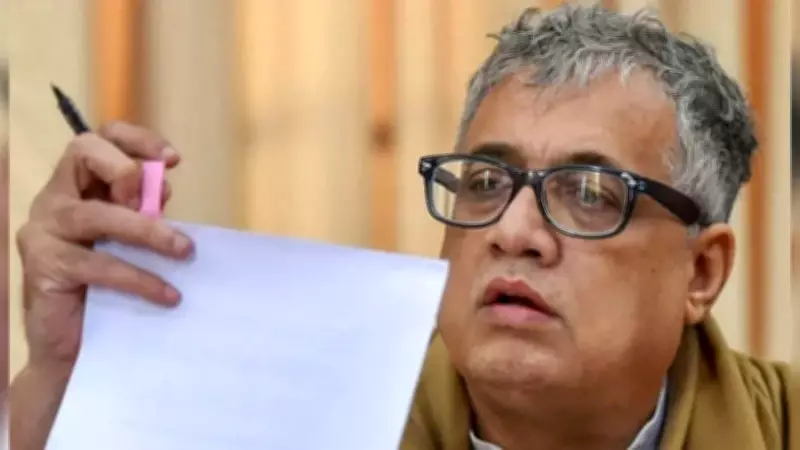
The political drama unfolded soon after the Rajya Sabha assembled on the morning of March 16, 2026. Trinamool Congress floor leader Derek O'Brien addressed the house, clarifying that the TMC MPs were not intending to disrupt the proceedings but were instead walking out in protest against the actions of the Chief Election Commissioner. O'Brien emphasized that the walkout was a symbolic gesture of dissent against what the TMC perceives as overreach by the Election Commission in the state's administrative affairs.
Election Commission's Decisive Action
The Election Commission's decision to remove West Bengal's top bureaucrats is seen as a measure to ensure impartiality and fairness in the electoral process, particularly in a politically charged environment. By dismissing officials appointed by the TMC government, the EC aims to prevent any potential bias or influence that could affect upcoming elections or governance in the state. This action underscores the Commission's authority to intervene in state administrations to uphold democratic principles and electoral integrity.

Political analysts suggest that this move could have far-reaching implications for West Bengal's political landscape, potentially straining relations between the state government and central electoral bodies. The TMC has historically been vocal about federal autonomy, and this incident may escalate tensions further.
Broader Implications for Indian Politics
This incident highlights the ongoing tussle between state governments and constitutional bodies like the Election Commission in India. It raises questions about the balance of power and the extent to which central authorities can intervene in state matters, especially during election periods. The walkout by TMC MPs also reflects the growing trend of political parties using parliamentary forums to protest against decisions they deem unjust or politically motivated.
As the situation develops, all eyes are on how the West Bengal government will respond to the EC's actions and whether this will lead to further confrontations in Parliament or the courts. The incident serves as a reminder of the complex interplay between democracy, governance, and electoral oversight in India's vibrant political system.