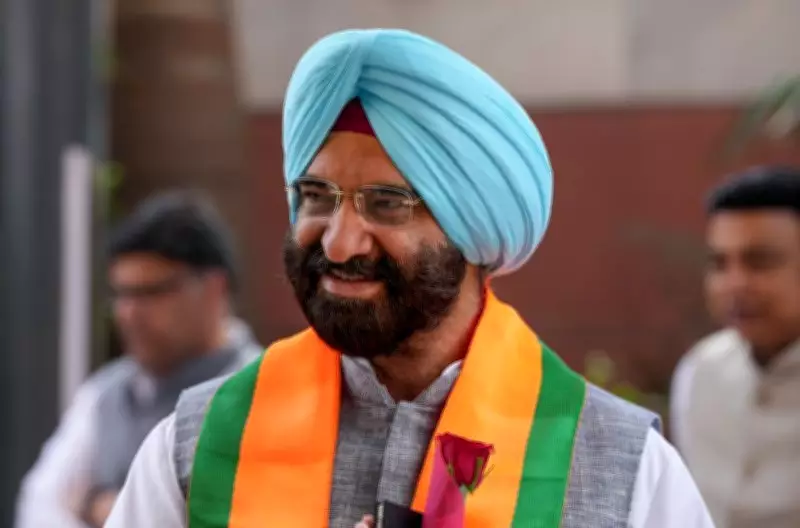
Delhi Minister Sirsa Engages with New Lieutenant Governor on Sikh Legacy
In a significant meeting at the Raj Niwas in Delhi, Delhi Minister Harpal Singh Sirsa held discussions with the newly appointed Lieutenant Governor, Vinai Kumar Saxena. The interaction focused on highlighting the rich historical and contemporary contributions of the Sikh community to India's development and societal fabric.
Focus on Sikh Heritage and Community Issues
During the meeting, Minister Sirsa, who represents the Sikh community in the Delhi government, emphasized the enduring legacy of Sikhism in promoting values such as seva (selfless service), equality, and social justice. He underscored how Sikhs have played a pivotal role in various sectors, including:
- Agriculture and entrepreneurship, driving economic growth.
- Military and defense, with a storied history of bravery and sacrifice.
- Education and philanthropy, fostering community upliftment.
Sirsa also brought up critical issues affecting the Sikh community, notably the 1984 anti-Sikh riots, urging for continued efforts towards justice and reconciliation. He stressed the importance of addressing past grievances to ensure communal harmony and trust in governance.
Discussion on Governance and Welfare Initiatives
The meeting extended beyond historical topics to cover current governance matters. Minister Sirsa and Lieutenant Governor Saxena explored collaborative avenues to enhance public services and welfare schemes in Delhi. Key points included:
- Improving healthcare and education infrastructure in Sikh-dominated areas.
- Promoting cultural preservation through support for gurdwaras and Sikh festivals.
- Addressing economic disparities by facilitating skill development and employment opportunities for Sikh youth.
Sirsa expressed optimism about working with the new LG to advance these initiatives, highlighting the need for inclusive policies that benefit all communities in the capital.
Broader Implications for Delhi's Political Landscape
This meeting marks an early step in the relationship between the Delhi government and the Lieutenant Governor's office under Saxena's tenure. It reflects ongoing efforts to bridge administrative gaps and foster cooperation on state matters. By focusing on Sikh legacy, Sirsa aims to reinforce the community's integral role in Delhi's socio-political framework, potentially influencing future policy discussions on minority rights and cultural integration.
The engagement underscores the importance of dialogue in addressing historical issues while steering towards progressive governance, with both leaders committing to ongoing collaboration for Delhi's development.