

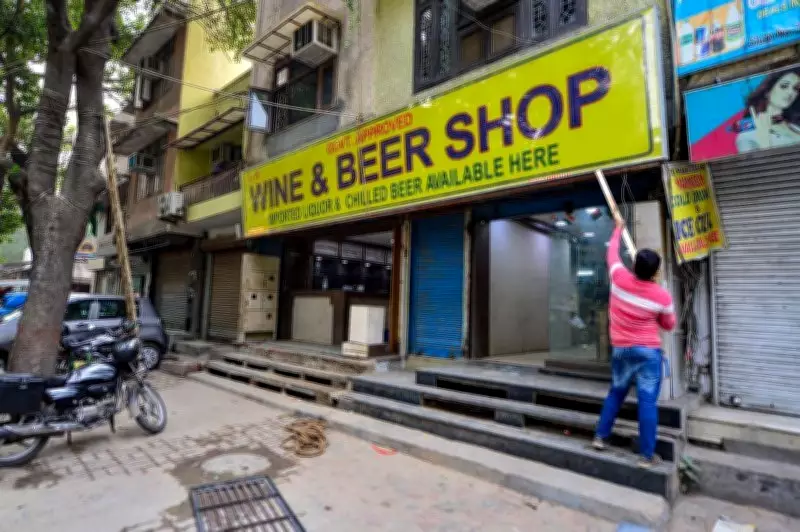
Delhi's excise revenue from liquor sales rose by Rs 153 crore in the first two months of the financial year 2026-27, according to government data. Collections in April and May 2026 stood at Rs 1,038 crore, up from Rs 885 crore during the same period in 2025.
Factors Behind the Revenue Growth
Officials and industry representatives attributed the increase to greater policy stability, stricter enforcement against brand pushing in government-run liquor stores, the resurgence of national liquor brands, and the expansion of large-format retail outlets. The Delhi government has set an excise revenue target of Rs 7,200 crore for 2026-27, slightly higher than the Rs 7,148 crore collected in the previous financial year.
Shift in Consumer Preferences
Industry data indicates a significant shift in consumer preferences. National liquor brands, which had steadily lost market share after Delhi reverted to a government-run retail model in 2022, regained the lead in May 2026. Their share of liquor sales by volume rose to 54 per cent, compared with 24 per cent in May last year.

Policy Stability and Enforcement
The improvement in revenue was supported by stricter monitoring to curb brand pushing in government liquor outlets, ensuring a more balanced availability of products across stores. In March 2026, the Delhi government extended the 2020-21 excise policy for another year until March 31, 2027. This marked the longest extension since September 2022, when the city reverted to the older excise regime after the 2021-22 policy came under scrutiny over alleged irregularities.
Since then, Delhi had been operating under a series of short-term policy extensions, which industry stakeholders said created uncertainty and made business planning difficult. The longer extension has provided stability to retailers and suppliers, contributing to improved sales and higher revenue collections in the opening months of the financial year.






