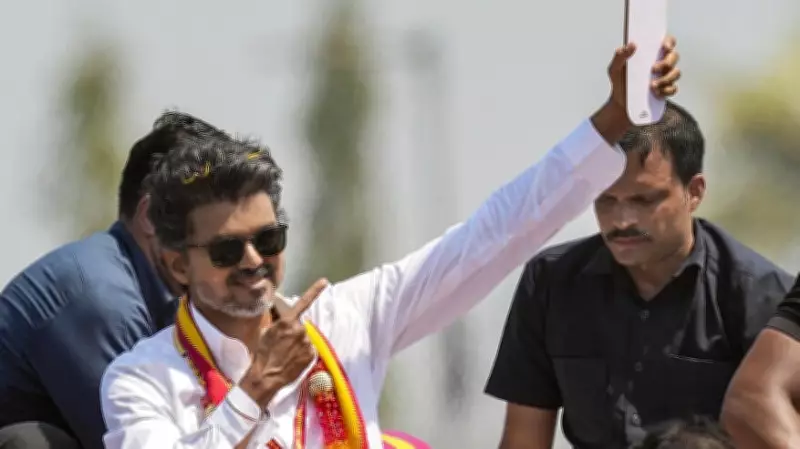
Madras High Court Takes Cognizance of Plea Against TVK Chief Vijay's Election Affidavit
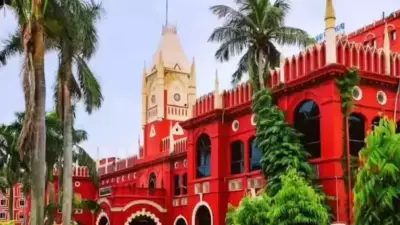
The Madras High Court has formally issued a notice to Tamilaga Vettri Kazhagam (TVK) president and actor Vijay, along with the Election Commission of India, in response to a significant public interest litigation (PIL). The plea, which has garnered considerable attention, alleges a substantial financial discrepancy amounting to approximately Rs 100 crore in the election affidavit submitted by Vijay for the upcoming Tamil Nadu Legislative Assembly elections scheduled for 2026.
Details of the Alleged Financial Irregularity
The petition, filed by a concerned citizen, claims that Vijay's sworn affidavit, a mandatory document for all electoral candidates, contains serious inconsistencies and omissions regarding his declared assets and liabilities. Specifically, the plea points to an alleged underreporting or misrepresentation of financial holdings, with the total discrepancy estimated to be around Rs 100 crore. This figure represents a significant sum that could potentially influence the transparency and integrity of the electoral process, raising questions about compliance with election laws and regulations.
The High Court's directive requires Vijay and the Election Commission to submit their detailed responses and explanations within a stipulated timeframe. This legal action underscores the judiciary's proactive role in ensuring that electoral candidates adhere strictly to the disclosure norms set forth by the Representation of the People Act, 1951. The court's intervention aims to uphold the principles of accountability and fairness in the democratic exercise, particularly as the state prepares for a highly contested election.

Vijay's Dual Candidacy in the 2026 Tamil Nadu Elections
Vijay, a prominent figure in Tamil cinema and politics, is contesting the April 23, 2026 polls from two key constituencies: Perambur in Chennai and Tiruchi East. His decision to run from multiple seats has already sparked considerable political debate and public interest. The affidavit in question is crucial for both constituencies, as it provides voters with essential information about the candidate's financial background, enabling informed decision-making at the ballot box.
The allegations come at a critical juncture, with the election campaign gaining momentum across Tamil Nadu. Political analysts suggest that this development could impact Vijay's electoral prospects, depending on the court's findings and the public's perception. The TVK, a relatively new political party founded by Vijay, has been positioning itself as an alternative to established players, making this legal scrutiny a pivotal moment in its nascent political journey.
Broader Implications for Electoral Transparency and Accountability
This case highlights the ongoing challenges in maintaining transparency in Indian elections, where affidavits serve as a primary tool for voter awareness. The Election Commission has consistently emphasized the importance of accurate financial disclosures to prevent undue influence and corruption. The High Court's notice reinforces this stance, signaling that any deviations from legal requirements will be scrutinized rigorously.
As the legal proceedings unfold, stakeholders including political parties, civil society organizations, and the electorate will be closely monitoring the outcomes. The resolution of this plea could set a precedent for future cases involving affidavit discrepancies, potentially leading to stricter enforcement mechanisms and enhanced vigilance during election seasons.
In summary, the Madras High Court's action against TVK chief Vijay over the Rs 100 crore affidavit discrepancy marks a significant development in the lead-up to the 2026 Tamil Nadu Assembly elections. It underscores the judiciary's commitment to electoral integrity while posing critical questions about candidate accountability and the robustness of India's democratic frameworks.