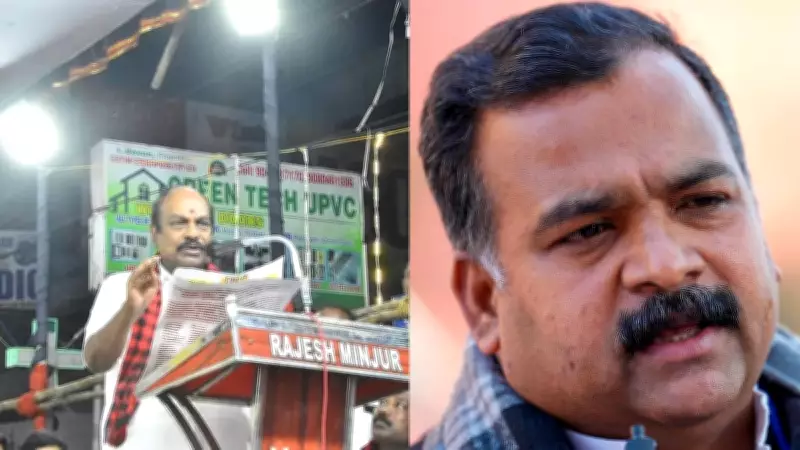
Congress-DMK Alliance Faces Growing Tensions Over Seat-Sharing in Puducherry
The political alliance between the Congress and the Dravida Munnetra Kazhagam (DMK) in the Union Territory of Puducherry is encountering significant turbulence. A major point of contention has emerged as the DMK is reportedly planning to demand a larger share of seats from the Congress for the upcoming elections, exceeding the 13 seats it contested in the 2021 polls. This development threatens to exacerbate existing rifts between the two parties, potentially jeopardizing their electoral cooperation.
Escalating Demands and Alliance Strain
According to recent reports, the DMK's leadership in Puducherry is preparing to push for an increased number of constituencies in the seat-sharing negotiations with the Congress. In the 2021 assembly elections, the DMK contested 13 seats as part of the alliance, but internal discussions now suggest they aim to secure more this time around. This move is seen as a strategic effort to strengthen the party's foothold in the region, reflecting its growing ambitions and confidence following past performances.
The Congress, on the other hand, is likely to resist these demands, as it seeks to maintain its own dominance and protect its traditional vote base in Puducherry. This disagreement over seat allocation is not merely a logistical issue but a deeper political conflict that could undermine the unity of the alliance. Analysts warn that if not resolved amicably, this rift could lead to fragmented campaigning and reduced electoral prospects for both parties.

Historical Context and Political Implications
The Congress-DMK alliance has been a key feature of Puducherry's political landscape for several years, often collaborating to counter rival parties. However, tensions have simmered in the past over leadership roles and policy differences. The current seat-sharing dispute adds a new layer of complexity, coming at a critical juncture as both parties gear up for future elections.
Political observers note that such internal conflicts are common in multi-party alliances, especially when parties vie for greater influence in a competitive environment. The DMK's demand for more seats may be driven by its assessment of changing voter demographics and a desire to capitalize on anti-incumbency sentiments. Conversely, the Congress might view this as an attempt to marginalize its presence, leading to potential stalemates in negotiations.
Potential Outcomes and Future Scenarios
If the DMK and Congress fail to reach a consensus on seat-sharing, several scenarios could unfold:
- Weakened Alliance: A prolonged dispute could weaken the alliance's cohesion, making it less effective in mobilizing voters and countering opponents.
- Independent Campaigns: Either party might decide to contest seats independently, splitting the vote and benefiting rival political groups.
- Last-Minute Compromise: There is also a possibility of a last-minute compromise, with both sides making concessions to preserve the alliance for electoral gains.
The situation remains fluid, with party leaders from both sides expected to engage in intense discussions in the coming weeks. The outcome will not only shape the political dynamics in Puducherry but also have broader implications for alliance politics in South India.