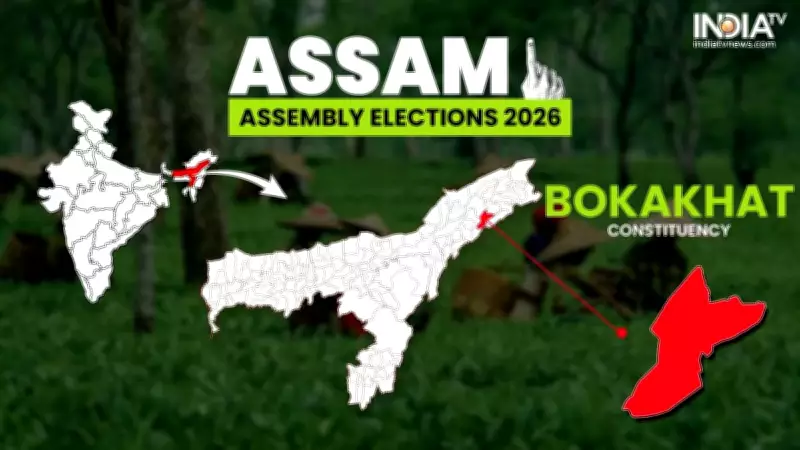
Bokakhat Assembly Constituency: Gearing Up for the 2026 Assam Elections
The Bokakhat Assembly constituency, located in the Golaghat district of Assam, is poised to be a significant battleground in the upcoming 2026 state legislative elections. This constituency, part of the Kaliabor Lok Sabha seat, has a rich political history that reflects the broader dynamics of Assam's electoral landscape. As political parties begin their groundwork, understanding Bokakhat's past performance and current demographics is crucial for predicting future outcomes.
Historical Performance and Past Winners
Bokakhat has witnessed a competitive political environment over the years, with key parties like the Bharatiya Janata Party (BJP), Indian National Congress, and Asom Gana Parishad (AGP) vying for dominance. In the 2021 Assam Assembly elections, the constituency saw a closely contested race. The BJP candidate, Mr. Atul Bora, emerged victorious, securing a notable vote margin. His win was part of the BJP-led alliance's broader success in the state, which helped form the government under Chief Minister Himanta Biswa Sarma.
Prior to this, the constituency had alternated between Congress and regional parties in earlier elections. For instance, in the 2016 elections, the Congress candidate held the seat, reflecting a shift in voter preferences over time. The historical data shows that Bokakhat's electorate is not firmly aligned with any single party, making it a swing constituency that can influence overall election results in Assam.
Key Political Parties and Their Strategies
As the 2026 elections approach, major political parties are expected to intensify their campaigns in Bokakhat. The BJP, currently in power in Assam, will likely focus on consolidating its gains and highlighting governance achievements. The party's alliance with the AGP could play a pivotal role, as regional support often sways votes in constituencies like Bokakhat.
The Indian National Congress, aiming to regain lost ground, may emphasize local issues and anti-incumbency sentiments. Meanwhile, the Asom Gana Parishad (AGP), as a regional force, might leverage its grassroots connections to appeal to Assamese identity and cultural concerns. Other smaller parties and independent candidates could also enter the fray, adding to the competitive mix.
Demographic and Socio-Economic Factors
Bokakhat's electorate is diverse, with a mix of rural and semi-urban populations. Key issues likely to dominate the 2026 campaign include:
- Agricultural Development: As an area with a significant farming community, policies related to crop prices, irrigation, and farmer welfare will be critical.
- Infrastructure and Connectivity: Improvements in roads, healthcare, and education facilities are perennial demands from residents.
- Environmental Concerns: Proximity to Kaziranga National Park makes wildlife conservation and human-animal conflict a unique local issue.
- Employment Opportunities: Youth unemployment and job creation are expected to be hot topics, especially among younger voters.
These factors, combined with Assam's broader political trends, will shape voter behavior in Bokakhat. Parties that effectively address these concerns could gain an edge in the upcoming elections.
Projections and Challenges for 2026
Looking ahead to 2026, Bokakhat is anticipated to witness a highly competitive election. The BJP will aim to defend its seat amidst potential anti-incumbency, while the Congress and AGP will seek to capitalize on any dissatisfaction. Key challenges for candidates include:
- Voter Mobilization: Ensuring high turnout and engaging with all demographic groups, from farmers to urban youth.
- Alliance Dynamics: Managing coalition politics, especially between BJP and AGP, to present a united front.
- Issue-Based Campaigning: Moving beyond rhetoric to offer concrete solutions for local problems.
As Assam's political landscape evolves, Bokakhat serves as a microcosm of the state's electoral battles. With its history of close contests and shifting allegiances, this constituency will be one to watch in the 2026 Assembly elections, potentially influencing the overall outcome in the region.