BJP Uncovers Substantial Financial Outlay for Karnataka's Guarantee Committees
The Bharatiya Janata Party (BJP) has brought to light significant financial expenditures associated with the guarantee committees operating within the state of Karnataka. Citing official data presented in the Legislative Assembly, the opposition party has raised serious concerns regarding the allocation of public funds to these administrative bodies.
Detailed Breakdown of Committee Expenditures
According to the figures tabled, the financial commitments for February alone reveal a substantial outlay. The chairman of the committee, H M Revanna, is reportedly drawing a monthly salary of Rs 5.98 lakh. This amount has sparked considerable debate about the compensation structures for such governmental positions.
Furthermore, the financial disclosures indicate that the five vice-chairpersons collectively receive a total of Rs 22.19 lakh per month. This cumulative figure underscores the extensive financial resources being directed toward the leadership of these guarantee committees.

Staff and Operational Costs Add to the Total
In addition to the salaries of the chairman and vice-chairpersons, the operational expenses across the six committee offices amounted to Rs 27.15 lakh for the month of February. These costs encompass various administrative and support functions necessary for the committees' day-to-day activities.
The combined expenditure for salaries and operational costs highlights the significant financial footprint of these guarantee committees within the state's budgetary framework.
Political Implications and Public Scrutiny
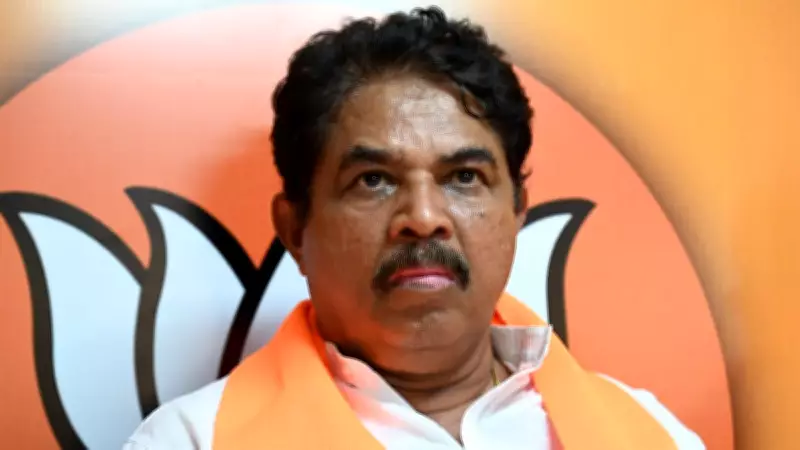
The revelation of these figures by BJP leader Ashoka has intensified political discourse in Karnataka. The opposition is leveraging this information to question the fiscal prudence and transparency of the current state administration.
This development places the guarantee committees under increased public and political scrutiny, with calls for greater accountability in the utilization of state funds. The debate is expected to influence ongoing discussions about governance and financial management in Karnataka's political landscape.