BJP Leader Raises Alarm Over Voter Roll Revision Process in West Bengal
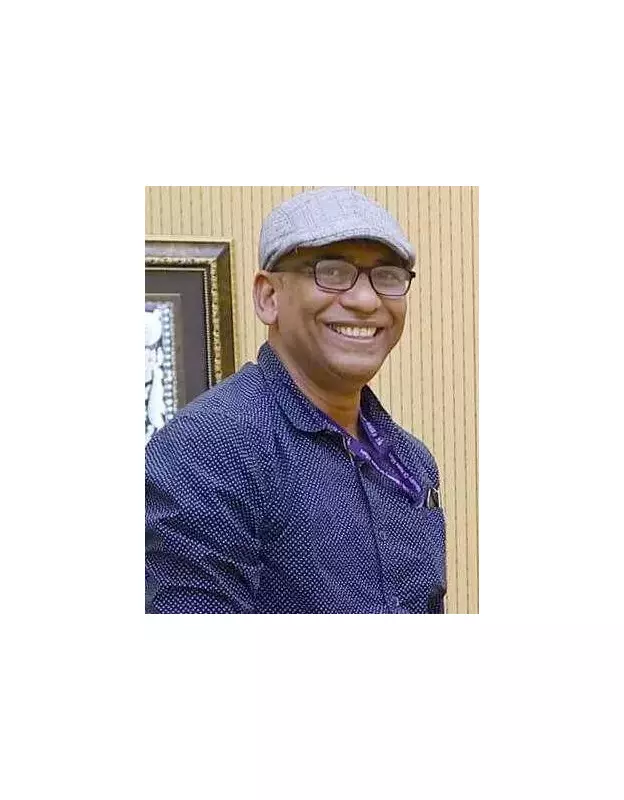
In a significant development from Kolkata, BJP leader Abhijit Das has formally expressed serious concerns to the Election Commission of India regarding the ongoing Special Intensive Revision (SIR) process for voter rolls. The former BJP district president from South 24 Parganas has warned that the current implementation could potentially lead to mass disenfranchisement of genuine Indian voters.
Systemic Risks in Current Implementation
Das, who contested the 2024 Lok Sabha elections from Diamond Harbour against Trinamool Congress leader Abhishek Banerjee, has highlighted what he describes as systemic anomalies in the revision process. In his detailed letter to the Election Commission, he cautioned that the SIR in its present rigid and unfiltered form risks transforming what should be a voter roll purification exercise into a mechanism that could exclude legitimate citizens from the electoral process.
Documentation Challenges for Marginalized Communities
The BJP leader specifically pointed to the plight of tribal communities, Rajbanshis, and Matuas who are facing potential deletion from voter lists due to their inability to produce the 13 documents notified by the Election Commission. In thousands of such cases, their names exist on the 2002 electoral roll and they have lived in India for generations, Das emphasized in his communication.

He further elaborated that these communities are now facing deletion risk solely due to non-availability of documents, which he characterized as indirect disenfranchisement of Hindu-origin Indian communities. According to Das, historical factors including poverty, displacement, and illiteracy have prevented many from obtaining formal documentation despite their long-standing presence in the country.
Rural Bengal's Documentation Crisis
Das highlighted another critical aspect of the documentation requirement that particularly affects younger voters. Electors born after 1987 are required to submit two documents—one for themselves and another for their parents. In rural Bengal, most marginal farmers, daily wage workers and illiterate households don't possess birth or school certificates, land deeds or legacy records, he noted.
The BJP leader warned that if this two-document requirement is applied without flexibility, it could result in mass deletion of genuine Indian electors who have every right to participate in the democratic process but lack formal paperwork due to socioeconomic circumstances.
Balancing National Security and Citizen Rights
In his comprehensive letter, Das sought a balanced approach that would simultaneously ensure protection of genuine long-settled citizens while maintaining strict infiltration of illegal foreign nationals. He specifically demanded relaxations for tribals, Matuas, Rajbanshis, and other voters in Hindu clusters who face documentation challenges.
The BJP leader's intervention comes at a crucial time when electoral rolls are being revised across West Bengal, raising important questions about how to maintain electoral integrity while ensuring that legitimate citizens are not excluded from the democratic process due to administrative requirements.