BJP and JD(S) Forge Electoral Alliance for Karnataka Polls
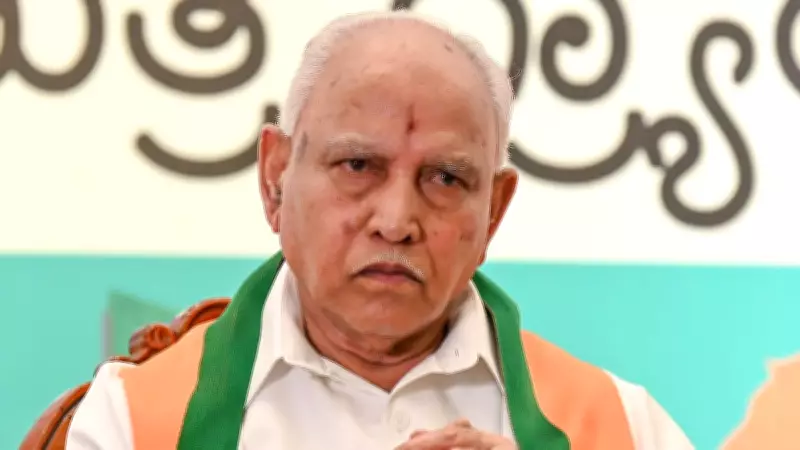
In a significant political development, senior Bharatiya Janata Party (BJP) leader B S Yediyurappa has officially confirmed that the BJP will contest the upcoming elections in Karnataka in alliance with the Janata Dal (Secular), or JD(S). This announcement marks a strategic move ahead of the polls, potentially reshaping the state's political landscape.
High-Level Discussions in New Delhi
Yediyurappa revealed that key leaders from both parties have engaged in detailed discussions regarding the future of this alliance. Both former Prime Minister H D Deve Gowda and Union Minister H D Kumaraswamy of the JD(S) shared their perspectives on the collaboration during meetings held in New Delhi. These talks underscore the seriousness with which both parties are approaching this partnership, aiming to consolidate their voter bases and present a united front against opposition forces.
The alliance is seen as a calculated effort to leverage the strengths of both parties in Karnataka, where regional dynamics often play a crucial role in election outcomes. By joining forces, the BJP and JD(S) hope to maximize their electoral gains and secure a stronger position in the state assembly.

Implications for Karnataka's Political Scene
This development comes at a critical juncture, with elections looming on the horizon. The BJP-JD(S) alliance could significantly alter the competitive balance, potentially impacting the strategies of other major players like the Indian National Congress. Political analysts suggest that this move might lead to a realignment of voter loyalties and influence campaign narratives across the state.
Yediyurappa's statement has generated considerable buzz in political circles, with many viewing it as a precursor to a more formalized coalition agreement. As details emerge, stakeholders are closely monitoring how this alliance will be structured in terms of seat-sharing and joint campaigning efforts.
The announcement was made on February 6, 2026, and has since sparked widespread discussion among voters and political observers alike. With both parties bringing distinct regional influences and voter support to the table, the success of this alliance could hinge on effective coordination and mutual trust between their leaderships.