From Protest to Politics: BJP Nominates RG Kar Victim's Mother in Panihati
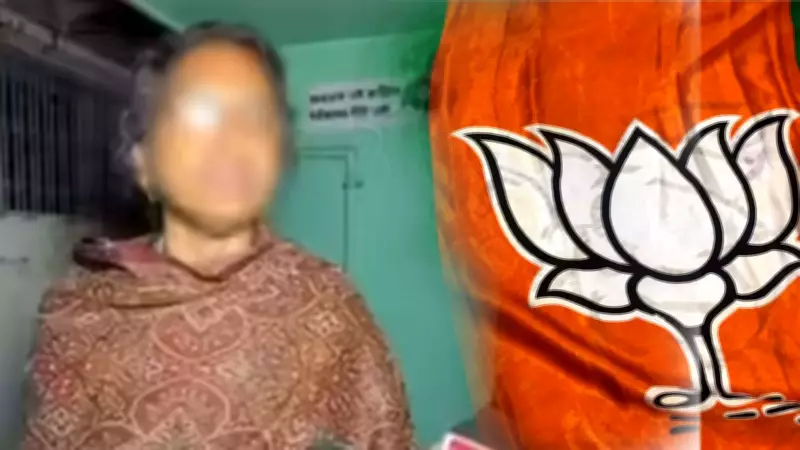
West Bengal's political landscape has undergone a significant transformation with the Bharatiya Janata Party's decision to field Ratna Debnath as their candidate from the Panihati constituency. This move represents a profound shift from street protests to electoral politics, as Debnath transitions from being the face of a public movement demanding justice for her daughter to becoming a formal political contender.
The RG Kar Case and Political Evolution
The RG Kar case, which once served as a rallying point for widespread protests across West Bengal, has now evolved to shape election discourse in unprecedented ways. Ratna Debnath's journey from grieving mother to political candidate exemplifies a growing trend where personal tragedies are increasingly becoming foundations for political campaigns. This development raises fundamental questions about the intersection of justice movements and electoral politics in contemporary India.
Strategic and Symbolic Implications
The BJP's decision to nominate Ratna Debnath carries both strategic and symbolic weight. Strategically, this move positions women's safety and governmental accountability at the forefront of the party's narrative in West Bengal. Symbolically, it represents a powerful statement about channeling public outrage into institutional change through democratic processes.

Political analysts suggest this nomination serves multiple purposes:
- Directly addresses public concerns about women's safety
- Creates emotional resonance with voters who followed the RG Kar case
- Demonstrates the BJP's commitment to bringing marginalized voices into mainstream politics
- Challenges traditional political narratives in West Bengal
Mixed Reactions and Political Debate
The nomination has sparked intense debate across political circles and civil society. Supporters argue that this represents a meaningful step toward systemic change, where those directly affected by injustice can influence policy from within the system. They contend that Ratna Debnath's personal experience gives her unique credibility on issues of women's safety and justice delivery.
However, critics express concern about potential consequences:
- The blurring of lines between justice movements and partisan politics
- Possible exploitation of personal tragedy for electoral gain
- Questions about whether political platforms can effectively address deep-seated systemic issues
- Concerns about the long-term impact on independent justice movements
Broader Political Context in West Bengal
This development occurs against the backdrop of intense political competition in West Bengal, where the BJP has been working to expand its presence and challenge the ruling Trinamool Congress. The Panihati constituency now becomes a crucial battleground where larger questions about justice, representation, and political transformation will be tested.
Political observers note that this move reflects a broader pattern in Indian politics where personal narratives are increasingly becoming political capital. The success or failure of this strategy in Panihati could influence similar approaches in other constituencies and states.
The Fundamental Question
As voters in Panihati prepare to make their choice, the fundamental question remains: Can electoral politics deliver the justice that street protests and public movements could not achieve? Ratna Debnath's candidacy represents a real-world experiment in answering this question. Her campaign will test whether personal experience of tragedy translates into effective political representation and whether institutional politics can address the very issues that prompted her initial activism.
The Panihati constituency now stands at the intersection of personal tragedy, public protest, and electoral politics. The outcome here may well provide insights into evolving relationships between social movements and political institutions across India. As the campaign progresses, all eyes will be on whether this innovative political approach can bridge the gap between protest and policy, between outrage and outcomes.