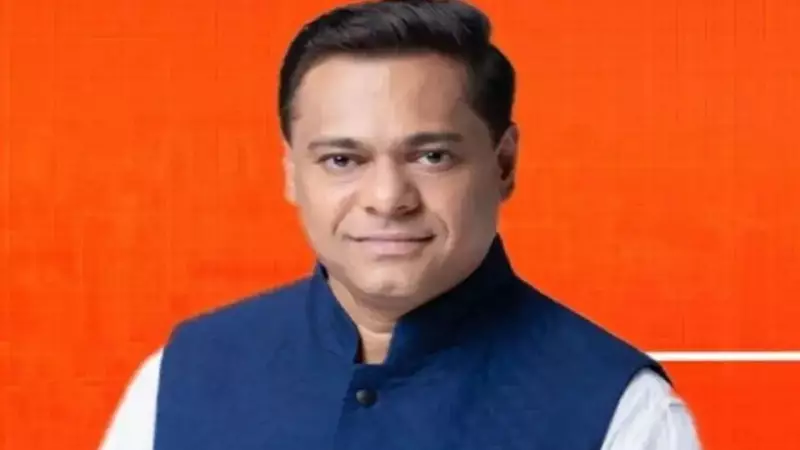
Mumbai's political landscape has been stirred by serious allegations from the city's Bharatiya Janata Party (BJP) chief, Ameet Satam. He has accused the Uddhav Thackeray-led Shiv Sena (UBT) of being part of what he termed an international conspiracy to alter the demographic and cultural fabric of Mumbai.
Allegations of Inflitration and a 'Conspiracy'
During a presentation made on Wednesday, Satam focused on a perceived surge in settlements by infiltrators, particularly in the Malwani area. He presented data claiming that in several predominantly minority-resident wards, the population had escalated dramatically. According to his presentation, wards in Kurla, Chandivli, Malwani, and Malad-Madh witnessed a population increase of approximately 50% since 2017.
Satam further pointed to a sharp rise in illegal hutments. He stated that areas like Malwani, Mankhurd, Malad, Deonar, and Kurla saw an addition of over one lakh illegal structures. He posed a pointed question about the forces behind this rapid proliferation, directly implicating political motives.

A Dire Warning: The 'Bondi Beach' Parallel
The BJP leader issued a stark warning, suggesting that failure to address this issue could lead to severe consequences for India's financial capital. He drew a parallel to the 2014 Sydney hostage crisis at Bondi beach, where two gunmen killed 15 people. Satam implied that unchecked infiltration and settlement could create similar security vulnerabilities in Mumbai.
When questioned if his allegations questioned the efficacy of the central and state governments in preventing infiltration, Satam redirected the focus. He emphasized that his aim was to highlight the role of Sena (UBT) chief Uddhav Thackeray in this alleged plot. He accused Thackeray of facilitating what he called the Mamdanisation of Mumbai, a reference to changing the city's demographic character.
Data and the Political Counter
To bolster his claims, Satam cited official actions, noting that Mumbai police deported 1,000 Bangladeshi nationals in 2025. This data point was used to underscore the presence of undocumented immigrants. His presentation and statements culminated in a firm political declaration: We will not allow the colour of Mumbai to change. This rhetoric sets the stage for a heated political debate in the lead-up to future elections, with Mumbai's identity and security at the center of the discourse.
The allegations have added a new, contentious layer to the ongoing political rivalry in Maharashtra, framing urban development and migration issues within a narrative of national security and cultural preservation.