

BJP Accuses Karnataka Government of Minority Appeasement Over Loan Interest Waiver
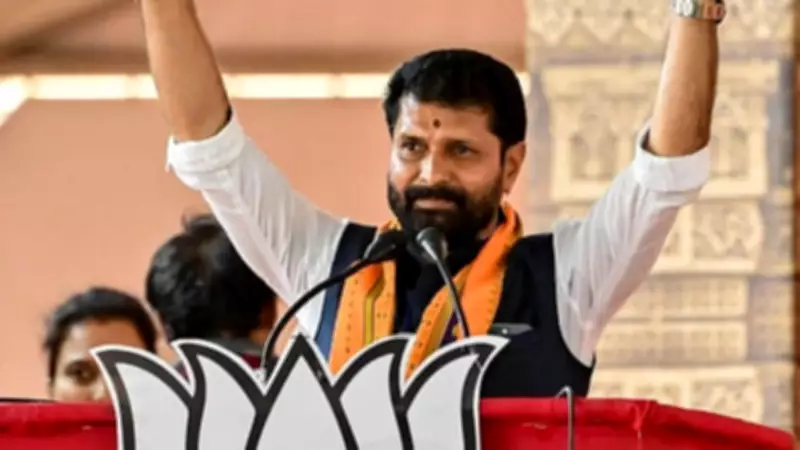
The Bharatiya Janata Party (BJP) has launched a sharp criticism against the Congress-led Karnataka government, accusing it of engaging in blatant minority appeasement. This accusation follows the recent approval by the state Cabinet of a significant financial scheme.
Details of the Approved Loan Waiver Scheme
The contentious decision involves a One-Time Settlement (OTS) scheme that specifically targets loans provided by the Karnataka Minority Development Corporation. Under this scheme, the government has approved the waiver of all accrued interest on these loans for a specific period spanning from the financial year 2013-14 through to 2018-19.
This move is designed to address the substantial issue of pending loan recoveries that have accumulated over these years. The total amount of pending recoveries stands at a staggering Rs 714 crore. These recoveries are due from loans that were originally disbursed, totaling Rs 981 crore in principal amount.

Political Backlash and Allegations
The BJP has vehemently opposed this decision, labeling it as a clear-cut case of political appeasement aimed at minority communities. Party representatives argue that such selective financial relief undermines equitable governance and sets a dangerous precedent.
Key points of contention include:
- The exclusivity of the waiver to loans under the Minority Development Corporation.
- The timing and political context, with allegations that it is a vote-bank strategy.
- Concerns over fiscal responsibility and the impact on state finances.
This development has ignited a fresh political firestorm in Karnataka, with the BJP positioning itself as a critic of what it perceives as preferential treatment. The state government, led by the Congress party, has yet to issue a detailed response to these specific allegations of appeasement.
The approval of this OTS scheme marks a significant policy decision with far-reaching implications for loan recovery processes and minority welfare initiatives in the state. It also highlights the ongoing political tensions between the ruling party and the opposition over issues of social justice and economic policy.






