BJD Gears Up for Legal Confrontation Over Six Suspended MLAs in Odisha Assembly
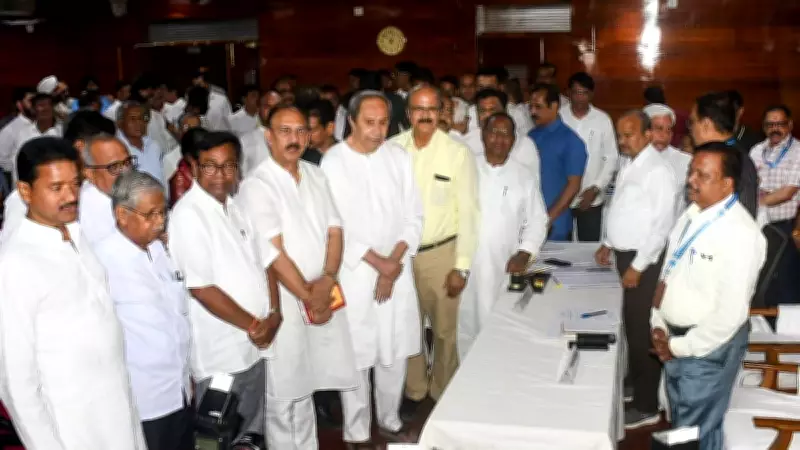
The Biju Janata Dal (BJD) has declared its readiness to engage in a protracted legal battle to secure the disqualification of six suspended Members of the Legislative Assembly (MLAs) from the Odisha assembly. This announcement underscores the party's firm stance on maintaining disciplinary integrity within its ranks and the state's legislative body.
Party Spokesperson Outlines Determined Stance
Addressing a press conference, BJD spokesperson Lenin Mohanty emphasized the party's unwavering commitment to this cause. He stated that the BJD is "mentally prepared to carry this battle till the last point", indicating a resolve to pursue all available legal avenues to ensure the MLAs' disqualification. This statement highlights the seriousness with which the party views the suspension and its potential implications for assembly proceedings and party unity.
Background and Implications of the Suspension
The six MLAs were suspended from the Odisha assembly, a move that has sparked significant political debate. The BJD's decision to seek their disqualification suggests that the party views their actions as severe enough to warrant permanent removal from legislative duties. This development could have far-reaching consequences for the political landscape in Odisha, affecting party dynamics and legislative efficiency.

Legal experts note that such battles often involve complex constitutional and procedural issues, requiring thorough preparation and strategic planning. The BJD's preparedness indicates a well-considered approach, potentially involving appeals to higher judicial authorities if initial efforts are unsuccessful.
Political Ramifications and Future Outlook
The move to disqualify the MLAs is seen as a bold step by the BJD to reinforce party discipline and uphold ethical standards in politics. It may also serve as a deterrent against future indiscipline among party members. However, it could lead to prolonged legal wrangling, diverting attention from other legislative priorities.
As the situation unfolds, political analysts will be closely monitoring the legal proceedings and their impact on Odisha's governance. The BJD's stance reflects a broader trend in Indian politics where parties are increasingly resorting to legal measures to address internal conflicts and maintain control over their legislative representatives.