Samrat Choudhary Takes Helm in Bihar, Pledges Exclusive Adherence to Modi-Nitish Governance Framework
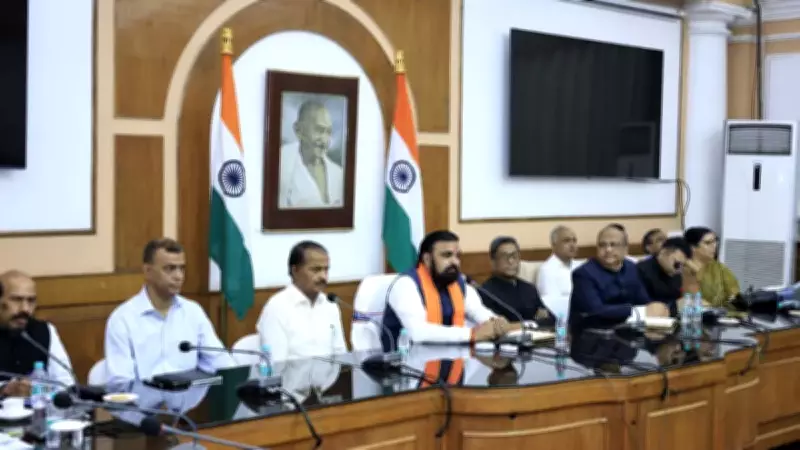
In a significant political development, Samrat Choudhary has officially assumed the position of Chief Minister of Bihar, marking a new chapter in the state's administration. During his inaugural address, Choudhary made a resolute declaration that has captured widespread attention across political circles and among the public.
A Firm Commitment to Established Governance Principles
Choudhary emphatically stated that Bihar will operate solely on the governance model associated with Prime Minister Narendra Modi and former Chief Minister Nitish Kumar. This model, often referred to as the Modi-Nitish model, is recognized for its focus on development-oriented policies, infrastructure enhancement, and social welfare initiatives. By affirming this approach, Choudhary signals a commitment to continuity and stability in the state's governance framework.
"We are dedicated to following the path laid out by our leaders, ensuring that Bihar progresses in alignment with national goals," Choudhary remarked, underscoring the importance of this model in driving the state's future growth.

Key Aspects of the Modi-Nitish Model
The Modi-Nitish model encompasses several core elements that have shaped Bihar's recent trajectory:
- Infrastructure Development: Emphasis on building roads, bridges, and public utilities to improve connectivity and quality of life.
- Social Welfare Schemes: Implementation of programs aimed at uplifting marginalized communities and ensuring equitable access to resources.
- Economic Growth: Policies designed to attract investment, boost local industries, and create employment opportunities.
- Governance Reforms: Efforts to enhance transparency, efficiency, and accountability in public administration.
Choudhary's endorsement of this model suggests that these priorities will remain at the forefront of his administration's agenda.
Implications for Bihar's Political Landscape
This announcement comes at a critical juncture for Bihar, a state with a complex political history and diverse socio-economic challenges. By aligning closely with the Modi-Nitish model, Choudhary aims to foster a sense of unity and purpose within the ruling coalition, while also appealing to voters who value consistency in governance. Political analysts note that this move could strengthen ties with the central government, potentially facilitating greater support for state-level initiatives.
However, it also raises questions about how Choudhary will navigate potential differences or adapt the model to address Bihar's unique needs. His leadership will be closely watched as he balances these established principles with the demands of a dynamic political environment.
Looking Ahead: Challenges and Opportunities
As Choudhary takes charge, he faces a range of pressing issues, from economic recovery post-pandemic to addressing social inequalities. His commitment to the Modi-Nitish model provides a clear framework, but success will depend on effective implementation and responsiveness to local concerns. Stakeholders, including citizens, businesses, and civil society groups, are eager to see how this governance approach translates into tangible outcomes for Bihar's development.
In summary, Samrat Choudhary's affirmation of the Modi-Nitish model sets a definitive tone for his tenure as Chief Minister, highlighting a path forward rooted in collaboration and developmental focus. The coming months will reveal how this vision unfolds in practice, shaping Bihar's future in the broader context of Indian politics.