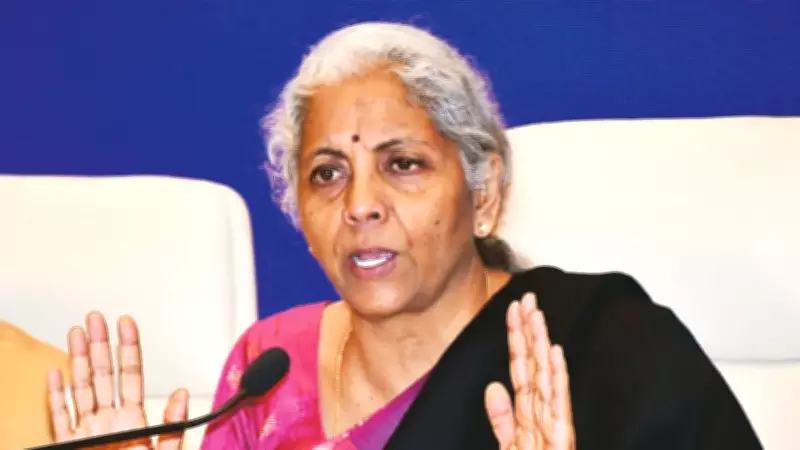
In a significant development ahead of the Union Budget, the Bihar government has formally requested a special package from the Centre to boost industrial growth and enhance flood-control measures. The demand was presented by Bihar Finance Minister Bijendra Prasad Yadav during detailed pre-Budget consultations with Union Finance Minister Nirmala Sitharaman earlier this month.
Focus on Industrial Development and Job Creation
The Janata Dal (United)-led Bihar government has emphasized the urgent need for a special industrial package to fulfill the National Democratic Alliance's pre-poll promise of creating one crore job opportunities in the state. This commitment was a central theme during the recent Bihar assembly elections, where employment emerged as the dominant issue across political campaigns.
Both the Rashtriya Janata Dal and Prashant Kishor-led Jan Suraj Party prominently highlighted employment concerns in their electoral platforms, which prompted the NDA to make the ambitious job creation pledge. Following the NDA's decisive victory, JD(U) working president Sanjay Jha reiterated this priority, stating that the next five years would focus on youth empowerment through industrial investment and skill development initiatives.

State's Advantages and Technological Integration
During the discussions with the Union Finance Minister, Bihar officials highlighted the state's abundant water resources and availability of skilled labor as key advantages for industrial development. The state government specifically requested Central schemes that would deploy modern technologies in agriculture and allied sectors to maximize these natural and human resources.
Union Finance Minister Nirmala Sitharaman reportedly emphasized the importance of incorporating advanced technologies like artificial intelligence, drones, and blockchain in agricultural practices. She also stressed the need for policy support to promote new industries and ensure balanced regional development across Bihar's districts.
Enhanced Flood Management Framework
Alongside industrial development, the Bihar government has pressed for a more comprehensive and technology-driven flood management strategy. While the Union Budget 2024-25 allocated Rs 11,500 crore for flood control, irrigation, and river management in Bihar—marking the first such dedicated allocation—state officials have argued that the current approach requires expansion.
The existing package primarily focuses on structural interventions such as embankments, barrages, and flood water diversion projects. However, Bihar has advocated for a broader, long-term strategy that incorporates modern technological solutions and addresses the multifaceted challenges of flood management more holistically.
Current Flood Control Projects and Future Plans
The Rs 11,500 crore allocation covers several major infrastructure projects, including the Kosi-Mechi intra-state link project, new barrages on rivers like Bagmati and Mahananda, and embankment strengthening along vulnerable stretches such as the Western Kosi canal and Bagmati river. However, consolidated official utilization figures for these projects are not yet publicly available.
Most large-scale flood control initiatives are currently in survey, design, or early construction phases, with significant spending expected over the coming years. Parallel state-funded efforts include the development of flood shelters, disaster response centers, and urban drainage system upgrades to complement Central government initiatives.
Taxation Adjustments and Economic Vision
The Bihar government's detailed charter to the Centre also included requests for key taxation adjustments to support industrial growth and economic development. While specific details of these proposed adjustments were not disclosed, they form part of the state's comprehensive approach to creating a favorable business environment and attracting investment.
This dual focus on industrial development and flood management reflects Bihar's strategic vision for balanced growth that addresses both economic opportunities and environmental challenges. The state's emphasis on technology integration across sectors aligns with national priorities while addressing Bihar's specific developmental needs and employment generation goals.