Bihar's New Government Appoints JD(U) Leaders as Deputy Chief Ministers
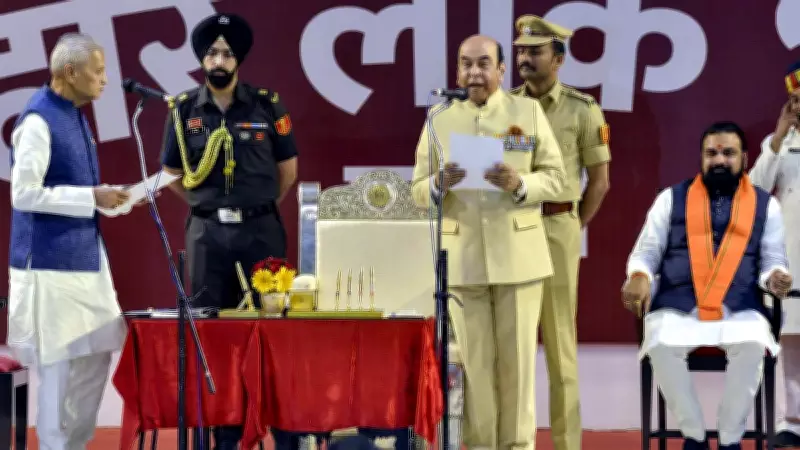
In a significant development for the state's political landscape, the newly formed Bihar government has designated Bijendra Prasad Yadav and Vijay Kumar Chaudhary from the Janata Dal (United) as Deputy Chief Ministers. This move marks a key step in the administration's formation, reflecting the party's strategic positioning within the coalition.
Chief Minister Retains Crucial Portfolios
Simultaneously, the Chief Minister has opted to retain close to 30 portfolios under his direct control, underscoring a centralized approach to governance. Among these are several critical departments that are pivotal to the state's administration and public welfare.
The key portfolios kept by the Chief Minister include:

- Home: Overseeing law and order, police, and internal security.
- Vigilance: Handling anti-corruption measures and integrity in public services.
- Revenue and Land Reforms: Managing land records, taxation, and agrarian policies.
- Health: Directing healthcare services, public health initiatives, and medical infrastructure.
This decision highlights the Chief Minister's focus on maintaining hands-on leadership in areas essential for Bihar's development and stability. The allocation suggests a prioritization of governance efficiency and accountability in the early stages of the new term.
Implications for Bihar's Political Dynamics
The appointment of two Deputy Chief Ministers from JD(U) is expected to strengthen the party's influence within the government, potentially balancing power dynamics in the coalition. It may also facilitate smoother coordination between different administrative wings, ensuring that key policies are implemented effectively across departments.
As the government settles into its roles, observers will be watching how these leadership decisions impact Bihar's progress on various fronts, from public safety to economic reforms. The retention of major portfolios by the Chief Minister indicates a commitment to direct oversight in critical sectors, which could shape the state's trajectory in the coming years.