Bihar Government Escalates Security Measures for Deputy Chief Ministers
The Bihar government has significantly increased the security detail for its deputy chief ministers, Vijay Kumar Choudhary and Bijendra Prasad Yadav, as confirmed by officials on Saturday. According to a notification from the state home department, reported by news agency PTI, both leaders will now be provided with Z-category security cover. This decision was made after a thorough review of their existing security arrangements, highlighting the government's commitment to ensuring their safety.
Details of the Enhanced Security Protocol
The Z-category security entails the deployment of a dedicated team of highly trained personnel equipped with advanced weaponry. This level of protection is designed to offer robust security against potential threats, reflecting the heightened vigilance in the current political climate. An official emphasized that this upgrade is part of a broader strategy to safeguard key political figures in the state.
Context and Recent Security Developments
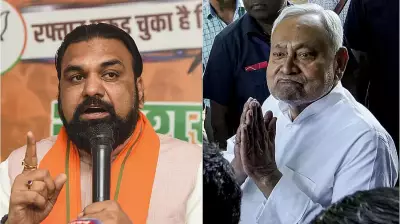
This move follows a similar security enhancement for former Bihar chief minister Nitish Kumar, who was recently granted Z-plus security cover by the state government. The official noted that Z-plus represents the highest tier of security provided by the government, underscoring the escalating security needs for prominent leaders. These developments occur against the backdrop of Bihar's political landscape, which saw the formation of its first BJP-led government on April 15, with Samrat Choudhary taking oath as chief minister.

The security upgrades are seen as a proactive measure to address potential risks and ensure stability in the state's governance. Officials have not disclosed specific threats but indicated that the reviews are routine and based on intelligence assessments. This step aligns with national trends where security for high-profile politicians is frequently reassessed to adapt to evolving challenges.
In summary, the Bihar government's decision to bolster security for its deputy chief ministers marks a significant shift in protective measures, reinforcing the importance of safety in political leadership. As the state navigates its new political dynamics, such actions are crucial for maintaining order and confidence among the public and officials alike.