Bengaluru's Urban Planning Conundrum: A Persistent Cycle of Challenges
The bustling metropolis of Bengaluru, often hailed as India's Silicon Valley, finds itself entangled in a familiar yet complex urban planning conundrum. The city's rapid growth and technological prominence have consistently outpaced its infrastructural and regulatory frameworks, leading to a recurring cycle of planning delays and implementation hurdles. This situation underscores a broader struggle to balance development with sustainability in one of the nation's fastest-growing urban centers.
Delays in the Revised Master Plan 2031
A central issue in Bengaluru's current planning woes is the prolonged delay in finalizing and implementing the Revised Master Plan 2031. This comprehensive blueprint is intended to guide the city's development over the next decade, addressing critical areas such as land use, transportation networks, housing, and environmental conservation. However, bureaucratic bottlenecks, stakeholder disagreements, and procedural complexities have stalled its progress, leaving the city without a clear, updated roadmap for growth.
Experts argue that this delay exacerbates existing problems, including haphazard construction, traffic congestion, and strain on public services. Without a cohesive master plan, Bengaluru risks ad-hoc development that could undermine its long-term livability and economic vitality. The Revised Master Plan 2031 is seen as a crucial tool for integrating smart city initiatives and fostering inclusive urban expansion, but its continued postponement highlights systemic inefficiencies in the planning process.

Infrastructure Bottlenecks and Urban Sprawl
Bengaluru's planning conundrum is further compounded by significant infrastructure bottlenecks. The city's roads, public transit systems, water supply, and waste management facilities are struggling to keep pace with population growth and industrial demand. Traffic gridlocks have become a daily ordeal for residents, while water scarcity issues periodically disrupt life in various neighborhoods. These challenges are not merely inconveniences; they reflect deeper planning failures that affect productivity, health, and quality of life.
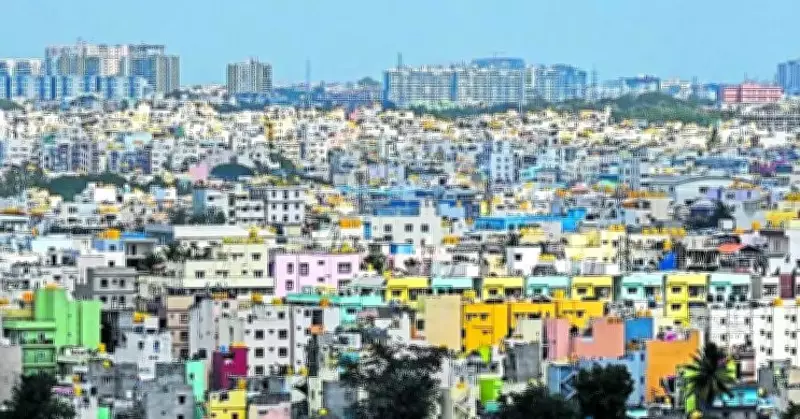
Urban sprawl has also emerged as a critical concern, with unregulated expansion into peripheral areas leading to environmental degradation and social inequities. The lack of effective zoning regulations and enforcement mechanisms has allowed for the proliferation of unauthorized constructions, further straining the city's resources. This sprawl not only fragments communities but also increases the carbon footprint, contradicting global sustainability goals.
Historical Context and Recurring Patterns
This is not the first time Bengaluru has faced such planning dilemmas. Historically, the city has grappled with similar issues during previous master plan revisions, often resulting in last-minute adjustments and compromised outcomes. The current conundrum echoes past patterns where ambitious planning goals were undermined by political interference, administrative delays, and inadequate public consultation.
For instance, earlier master plans aimed to decentralize development and promote green belts, but implementation gaps led to concentrated growth in core areas, exacerbating congestion. Learning from these historical missteps is essential, yet the repetition of delays suggests that systemic reforms are still lacking. Stakeholders, including citizens, urban planners, and policymakers, must collaborate more effectively to break this cycle and ensure that planning processes are transparent, participatory, and timely.
The Path Forward: Solutions and Recommendations
Addressing Bengaluru's planning conundrum requires a multi-faceted approach. First and foremost, expediting the finalization of the Revised Master Plan 2031 is imperative, with a focus on incorporating feedback from diverse community groups and leveraging data-driven insights. This plan should prioritize sustainable mobility solutions, such as expanding metro networks and promoting non-motorized transport, to alleviate traffic woes.

Additionally, strengthening governance mechanisms is crucial. This includes enhancing coordination between various municipal agencies, adopting technology for better monitoring and compliance, and ensuring accountability in project execution. Public-private partnerships could also play a role in funding and implementing infrastructure projects, provided they align with broader urban goals.
Finally, fostering a culture of proactive planning rather than reactive fixes is key. Bengaluru must invest in long-term resilience strategies, such as water conservation measures and green building codes, to mitigate future challenges. By learning from its recurring conundrums, the city can transform its planning paradigm from one of crisis management to one of visionary growth, securing its status as a global hub while improving the lives of its residents.