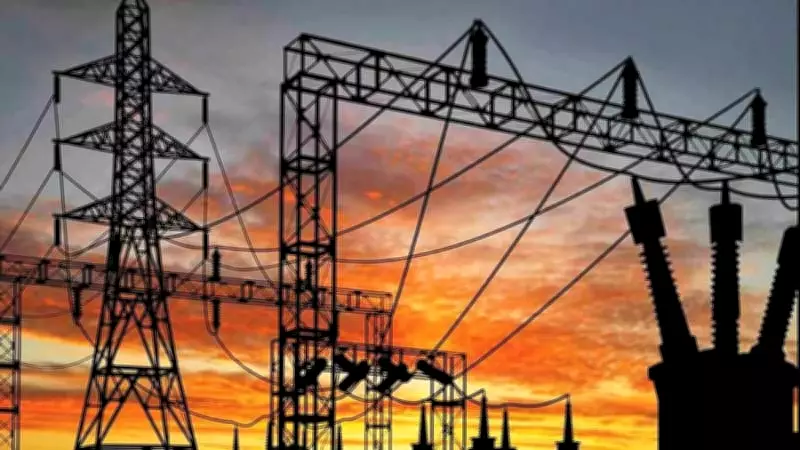
Power Bills in Bengaluru to Increase from May, Impacting Households
Electricity tariffs in Bengaluru are set to rise starting May, as announced by the Karnataka Electricity Regulatory Commission (KERC). This adjustment will affect a wide range of consumers, including residential, commercial, and industrial users, with changes based on specific usage slabs. The hike is part of a broader regulatory review aimed at addressing rising operational costs and infrastructure needs in the power sector.
Details of the Tariff Hike
The KERC order specifies that the increase will apply to all categories of consumers served by the Bangalore Electricity Supply Company (BESCOM). For residential users, the hike varies depending on consumption levels, with higher slabs seeing more significant adjustments. For instance, households using up to 100 units per month may see a modest rise, while those consuming above 500 units could face a steeper increase. Commercial and industrial consumers will also experience proportional hikes, which could impact business operations and production costs.
This move follows a detailed review by KERC, which considered factors such as inflation, fuel costs, and maintenance expenses. The commission emphasized that the tariff revision is necessary to ensure the financial sustainability of power distribution companies and to fund upgrades in the electricity grid, including improvements in reliability and service quality.

Impact on Consumers and Economy
The tariff hike is expected to have a direct impact on household budgets in Bengaluru, where electricity costs are already a significant expense for many families. Residents may need to adjust their consumption patterns or explore energy-saving measures to mitigate the financial burden. For businesses, the increased costs could lead to higher operational expenses, potentially affecting pricing and competitiveness in the market.
Local authorities have urged consumers to adopt energy-efficient practices, such as using LED lighting and optimizing appliance usage, to reduce their bills. Additionally, there are discussions about potential subsidies or relief measures for low-income households, though no concrete plans have been announced yet.
Broader Context and Future Outlook
This tariff adjustment aligns with trends in other Indian cities, where electricity rates have been rising due to similar economic pressures. Experts note that such hikes are often inevitable as power companies grapple with increasing costs of generation, transmission, and distribution. In Karnataka, this revision is part of a periodic review process mandated by regulatory frameworks to balance consumer interests with utility viability.
Looking ahead, stakeholders are calling for greater transparency in tariff-setting processes and more investments in renewable energy sources to stabilize long-term costs. The KERC has indicated that future reviews will consider feedback from consumers and industry representatives to ensure fair and equitable pricing.
In summary, the power bill increase in Bengaluru from May reflects broader economic challenges in the energy sector. While it poses immediate financial concerns for consumers, it also underscores the need for sustainable energy management and policy interventions to support affordability and reliability in the long run.