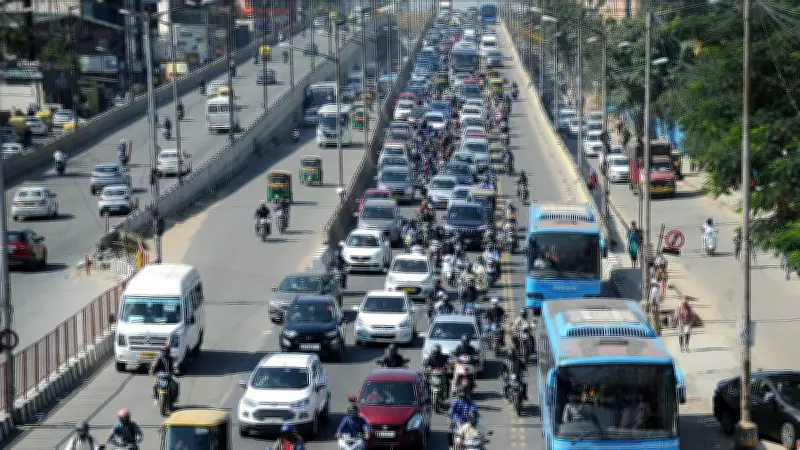
Promised Road Takes a Reality Turn: Bengaluru's Infrastructure Dilemma
Bengaluru, India's bustling tech hub, is facing a critical moment as yet another major infrastructure project appears to be mired in delays and prolonged construction phases. The city, renowned for its rapid growth and innovation, cannot afford to have vital road networks and urban amenities remain perpetually under development. This situation highlights a broader pattern of ambitious promises that struggle to materialize into tangible improvements for residents and businesses alike.
The Perpetual Construction Conundrum
Infrastructure projects in Bengaluru have often been announced with great fanfare, only to become symbols of bureaucratic inertia and logistical challenges. The latest road project, which was touted as a solution to traffic congestion and connectivity issues, has now joined the ranks of initiatives that seem stuck in an endless cycle of planning and partial execution. This not only frustrates daily commuters but also undermines public trust in governmental and municipal authorities.
The impact of these delays is multifaceted, affecting economic productivity, environmental sustainability, and overall quality of life. With Bengaluru's population swelling and vehicular traffic increasing exponentially, the need for efficient and timely infrastructure development has never been more urgent. Yet, the gap between promise and reality continues to widen, posing significant risks to the city's future livability and competitiveness.

Broader Implications for Urban Governance
This scenario is not isolated to a single project but reflects systemic issues in urban planning and project management. Key factors contributing to these delays include:
- Inadequate funding and budget allocations that fail to keep pace with rising costs and inflation.
- Complex land acquisition processes and regulatory hurdles that slow down implementation.
- Coordination challenges among multiple agencies and stakeholders involved in large-scale projects.
- Political and administrative changes that often lead to shifts in priorities and timelines.
Moreover, the environmental and social costs of prolonged construction cannot be overlooked. Dust pollution, noise disturbances, and disruptions to local communities are common byproducts of stalled projects, further eroding public support and patience.
Moving Forward: A Call for Accountability and Innovation
To address this crisis, Bengaluru must adopt a more transparent and accountable approach to infrastructure development. This includes setting realistic timelines, ensuring robust monitoring mechanisms, and engaging citizens in the planning process. Leveraging technology for project management and adopting best practices from other global cities could also help streamline execution and reduce delays.
Ultimately, the city's ability to transform its infrastructure promises into reality will be a key determinant of its success in the coming decades. Without decisive action, Bengaluru risks falling behind in the race to build sustainable and resilient urban environments, jeopardizing its status as a premier destination for investment and innovation.