Bengaluru Auto Drivers Confront Fuel Supply Crisis Amid Government Denials
In Bengaluru, a growing crisis is unfolding as auto rickshaw drivers across the city report significant difficulties in accessing auto LPG for refueling, despite the state government's firm stance that there is no shortage of the fuel. The situation has escalated to the point where drivers are forced to visit multiple fuel stations and endure long waiting periods, severely impacting their daily operations.
Widespread Reports of Supply Constraints and Operational Hurdles
Auto drivers from various parts of Bengaluru have voiced their frustrations over supply constraints that have led to chaotic scenes at fuel stations. Many drivers complain that they must check three to four different bunks before finding any available auto LPG, and even then, they face extended waits in queues that sometimes spill onto public roads.
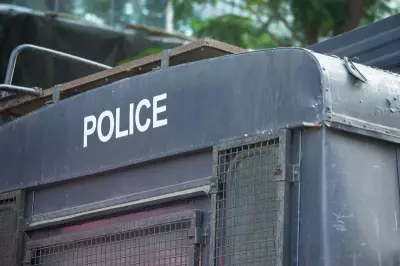
To manage the crowds and prevent traffic disruptions, police have been deployed at several stations. For instance, on Tuesday evening, authorities had to intervene near the Mysuru Satellite Town bus station, where a long queue of autorickshaws blocked the roadway. Police directed drivers to move to other stations to alleviate congestion.

Official Statements and Union Concerns Highlight the Divide
CN Sreenivas, president of the Auto Rickshaw Drivers' Union, emphasized the severe hardship caused by the situation. "Drivers are often forced to check three to four stations before finding fuel, and even then have to wait for long periods. The rising cost is another concern. Auto LPG is priced at around Rs 80 per litre at state-run outlets and between Rs 82 and Rs 95 at private stations," he stated, urging authorities to address the issue promptly.
In contrast, the Department of Food, Civil Supplies and Consumer Affairs maintains that there is no shortage of auto LPG in Karnataka. As of March 29, they reported that oil companies are supplying an average of 64.9 metric tonnes per day, an increase from 57.6 metric tonnes before the West Asia conflict.
Impact on Livelihoods and Future Implications
The auto drivers warn that if these supply disruptions continue, it could begin to affect their daily earnings and overall livelihood. The combination of scarce fuel and rising prices poses a dual threat, potentially leading to increased fares for passengers and reduced income for drivers.
At many fuel stations, notices indicating "no stock" have been put up, further exacerbating the drivers' challenges. This discrepancy between ground reality and official claims highlights a critical gap in supply chain management and communication.
As the situation develops, stakeholders are calling for immediate action to ensure stable fuel supply and prevent further economic strain on the auto rickshaw community in Bengaluru.