Bengal's Political Binary: A Trap Between Secular TMC and Communal BJP
For centuries, Bengal's culture and politics have been defined by deep-seated binaries, a trend that continues to shape its modern political landscape. Despite the state's rich intellectual heritage, the space for nuanced or transcendental alternatives remains severely limited. This phenomenon is evident in various aspects of Bengali life, from the fierce rivalry between football clubs like East Bengal and Mohun Bagan to debates over culinary preferences such as hilsa versus prawn, and identity conflicts like Bangal versus ghoti. While liminal spaces do exist, their scope is constrained, and this binary mindset has profoundly influenced the state's politics, leaving little room for alternative voices or movements.
The Political Contradiction and Corruption Allegations
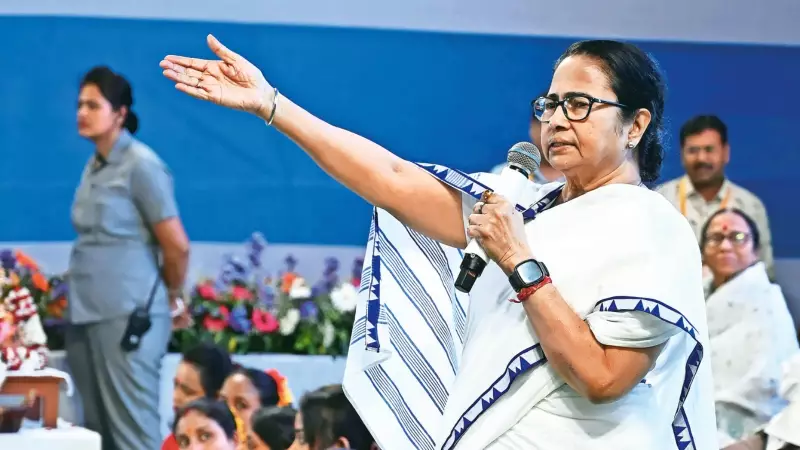
The recent intervention by Chief Minister Mamata Banerjee in an Enforcement Directorate raid on the political consulting agency I-PAC highlights a larger political contradiction rooted in these binaries. This incident has sparked confusion over whether it represents federal resistance or administrative interference to protect corruption, reflecting the broader tensions that define Bengal's political arena. Since the Trinamool Congress (TMC) came to power in 2011, ending the Left Front's 34-year rule, the party has faced widespread corruption allegations, including scandals like Saradha, Narada, and the teacher recruitment scam. Despite this tarnished track record, the TMC managed to return to power in 2021 and increase its seat tally in the 2024 Lok Sabha elections by leveraging narratives centered on Bengali identity.
Weaponizing Identity and Historical Anxieties
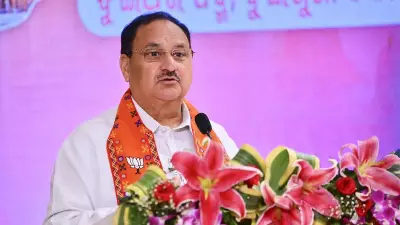
After the 2019 Lok Sabha elections, the TMC's political campaign strategically weaponized the insider-outsider binary and the Bengali-non-Bengali conflict. This approach framed a homogenous Bengali community against the perceived communal politics of north Indian parties, particularly the BJP. These narratives thrive on three key historical anxieties that continue to resonate with Bengali voters. First, the simplified story of Siraj-ud-Daulah's betrayal at the Battle of Plassey, which led to British colonization, reinforces a narrative of outsiders exploiting internal betrayal. Banerjee's frequent references to outsiders in the context of BJP leaders tap into this deep-seated fear.

Economic Roots and Cultural Pride
Second, the Bengali-non-Bengali binary has economic and political roots that are often overlooked. During the British Raj, with Calcutta as the capital, English education and European rationality shaped the Bengal Renaissance, creating an upper-caste English-educated elite bhadralok class. However, this also fostered a clerk mentality, as criticized by scientist Prafulla Chandra Ray, who urged Bengalis to embrace entrepreneurship. Despite his call, many Bengalis continued working for non-Bengali-owned businesses, such as those run by Marwaris, even after Independence. In a state with stalled industrial growth since the jute-mill era, competition over limited resources with migrants from UP and Bihar adds to this anxiety. Unlike the BJP's focus on Hindu-Muslim divisions, the TMC frames this class anxiety in cultural terms, emphasizing the Bengali versus non-Bengali dynamic.
Partition Memories and Secular Politics
Third, the memory of Partition and the Bangladesh war is another historical anxiety that the BJP leverages to invoke communal sentiment among Bengali Hindus, often using narratives about Bengali Muslims being Bangladeshi. This sentiment helps the TMC by highlighting secular cohabitation, as seen in instances where Muslim neighbors aided Hindus during conflicts. Communist politics and the concept of party society, as explained by political scientist Partha Chatterjee, have further paved the way for secular living in urban areas. This secular approach gives Banerjee an edge over the BJP's politics of memory and Partition anxiety, reinforcing the binary between secular TMC and communal BJP rhetoric.

The Failure of Alternatives and Bengal's Future
All these factors have trapped Bengali voters in a political binary: a secular TMC versus a communal BJP, with regionalism pitted against religious politics. The Left parties and the Congress have miserably failed to transcend this divide and create a credible alternative space, leaving Bengal without viable political exits. As a result, the state's future is caught in this confusion, risking a political loop that repeats old ideals without offering new futures. Unless Bengalis learn to break free from this binary mindset, West Bengal may remain stuck in a cycle that stifles progress and innovation in its political landscape.