Beldanga Babri Masjid Project Faces Construction Delays Amid Political Tensions
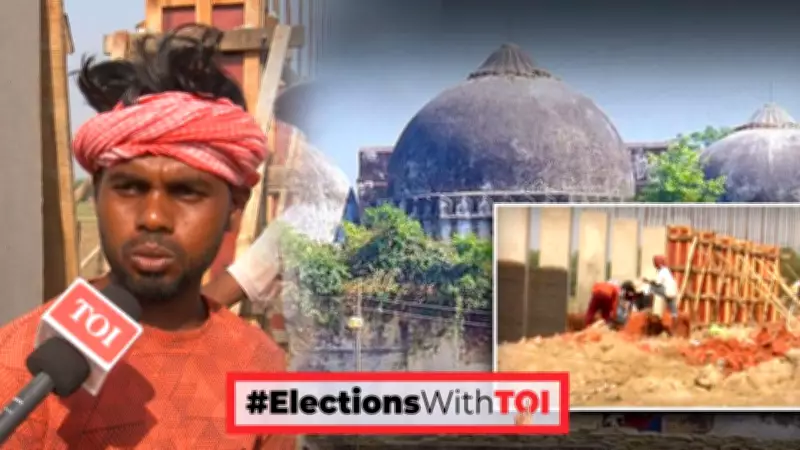
The proposed construction of a Babri Masjid in Beldanga, Murshidabad district, has emerged as a significant political flashpoint in West Bengal as elections approach. While initial work on the boundary wall is underway and a small local vendor ecosystem has developed around the site, the project's progress has slowed considerably.
Construction Pace Slows Amid Heat and Election Season
Local residents report that construction work has reduced its pace due to intense heat conditions and the ongoing election season. Despite this slowdown, approximately two dozen workers remain active at the construction site, continuing with foundational work and boundary wall construction.
The project, spearheaded by MLA Humayun Kabir, envisions a comprehensive complex that will include not only a mosque but also a hospital and guest house facilities. Funding for this ambitious initiative comes primarily through public donations collected from supporters and community members.

Political Reactions and Controversies Intensify
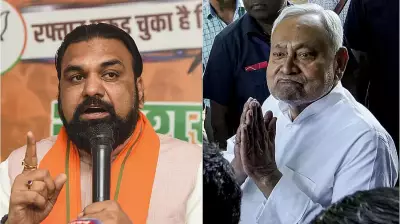
The Babri Masjid project has drawn sharp political reactions across party lines. Trinamool Congress leaders have openly accused MLA Humayun Kabir of engaging in religion-based politics, suggesting the timing of the construction is strategically aligned with electoral calculations.
Opposition leaders have similarly raised concerns about the project's political implications, questioning whether such religious constructions should proceed during election periods. The controversy has been further intensified by a leaked video that allegedly shows discussions about the project's political dimensions, leading to alliance breakdowns and increased political polarization.
Local Economic Impact and Community Response
Despite the political tensions, the construction site has generated some local economic activity. A small ecosystem of vendors has developed around the project area, providing services and goods to workers and visitors. This micro-economy represents one of the few tangible benefits local residents have observed from the project thus far.
Community members express mixed feelings about the development. While some welcome the potential infrastructure and religious facilities, others worry about the project becoming a political tool rather than serving genuine community needs.
Broader Implications for West Bengal Politics
The Beldanga Babri Masjid project now stands at the intersection of multiple powerful narratives in Bengal politics. It represents:
- Religious identity politics in a diverse state
- Electoral strategy considerations ahead of crucial elections
- Community development versus political symbolism debates
- Funding transparency questions regarding public donation projects
As construction continues at its reduced pace, political observers note that the project has become a litmus test for how religious constructions are perceived and politicized in contemporary West Bengal. The coming weeks will likely see increased scrutiny as election campaigning intensifies and all parties position themselves regarding this sensitive issue.
The ultimate completion timeline remains uncertain, dependent not only on weather conditions and construction challenges but also on the evolving political landscape and public sentiment as elections approach in West Bengal.