Assam Chief Minister Announces Major Revision of High School History Textbooks
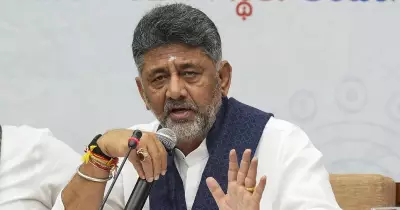
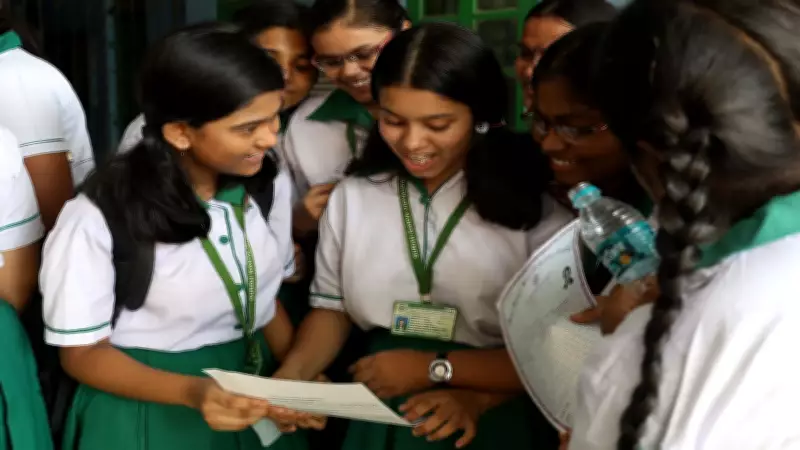
In a significant development for Assam's education system, Chief Minister Himanta Biswa Sarma has directed the state's Education Department to undertake a comprehensive revision of high school history textbooks. The announcement was made during the closing ceremony of the 10th Mising Youth Festival held in Kareng Chapori, where the Chief Minister was accompanied by Union Home Minister Amit Shah.
Questioning Historical Narratives About Ahom Warriors
While addressing the gathering, Chief Minister Sarma specifically cast doubt on the historical accounts surrounding Ahom warrior Bagh Hazarika, who currently features prominently in school curricula. Sarma asserted that Hazarika never fought alongside the legendary Ahom general Lachit Barphukan against the Mughal forces during the 17th century.
"Instructing Education Minister Ranoj Pegu, we have decided to rewrite history for high schools," declared Sarma, emphasizing the need for what he described as more accurate historical representation.

Alternative Historical Perspectives Emerge
Instead of crediting Bagh Hazarika with participation in these historic battles, the Chief Minister highlighted the role of Mising leader Miri Handique in the conflicts that took place in the Kamrup region. This alternative perspective challenges the widely accepted narrative that has been taught in Assam's schools for generations.
Bagh Hazarika, originally named Ismail Siddique and born into a Muslim family in what is now Sivasagar district, has traditionally been remembered as a 17th-century warrior who fought alongside Barphukan in the crucial Battle of Saraighat in 1671. This battle is considered a pivotal moment in Assam's resistance against Mughal expansion.
Recognition for the Mising Community
During his address, Chief Minister Sarma praised the Mising community extensively for their role in safeguarding Assamese lands and preserving cultural heritage. He claimed that their presence in various regions has effectively prevented infiltration and encroachment, stating that if the community had been spread across all districts, "not a single Miya could have entered Assam."
The term "Miya," historically used as a derogatory slur for Bengali-speaking Muslims in Assam, has in recent years been reclaimed by activists as a symbol of defiance and identity assertion. Sarma's comments come amid ongoing discussions about identity, migration, and historical narratives in the northeastern state.
Financial Commitments and Development Announcements
Alongside the textbook revision announcement, the Chief Minister made substantial financial commitments to support community development. He announced a generous grant of Rs 100 crore specifically for the Mising Youth Festival and an additional ₹10 crore for the development of the Donyi-Polo society, reflecting the government's focus on cultural preservation and community empowerment.
Sarma described the Mising people as hardworking and self-reliant, acknowledging their significant contribution to maintaining Assamese identity through generations. The textbook revision initiative appears to be part of a broader effort to reshape historical narratives and recognize different community contributions to Assam's history.
This move by the Assam government is likely to spark discussions among historians, educators, and community leaders about historical accuracy, representation, and the evolving understanding of Assam's complex past. The revision process will be closely watched as it progresses through the state's education system.