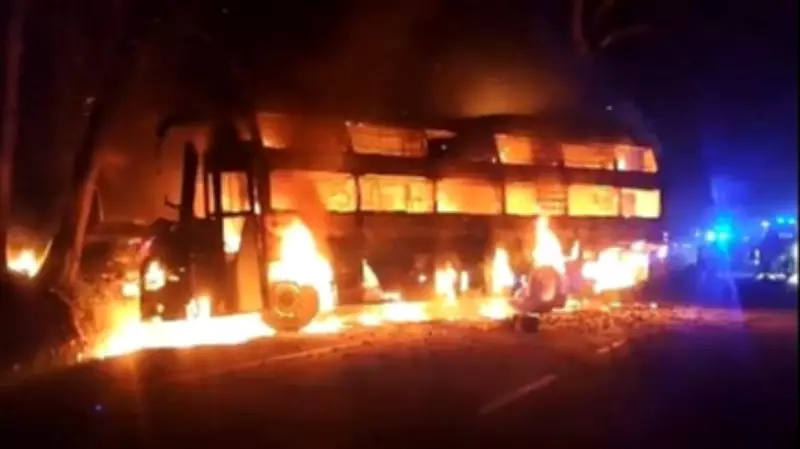
Andhra Pradesh Grapples with Tragic Series of Bus Accidents
In a deeply concerning trend, the state of Andhra Pradesh has witnessed four devastating bus accidents within a span of just six months, leading to the tragic loss of 45 lives. This alarming series of incidents has cast a harsh spotlight on the pressing issues of road safety and the enforcement of transport regulations across the region.
A Chronology of Catastrophe
The first of these disasters occurred approximately six months ago, setting off a chain of events that has left communities in mourning and authorities scrambling for answers. Each subsequent accident has added to the grim toll, with the most recent incident claiming multiple lives and injuring numerous others. The cumulative impact of these tragedies underscores a systemic failure that demands immediate and comprehensive attention.
Root Causes and Contributing Factors
Preliminary investigations into these accidents point to a combination of factors that have repeatedly compromised passenger safety. Human error, including reckless driving and fatigue among bus operators, has been identified as a primary culprit in several cases. Additionally, mechanical failures such as brake malfunctions and tire blowouts have played a significant role, raising questions about the maintenance standards of commercial vehicles.

Environmental conditions have also contributed to the severity of these incidents. Poor visibility due to fog, slippery roads from rain, and inadequate lighting on highways have exacerbated the risks, highlighting the need for better infrastructure and weather-responsive safety measures.
Public Outcry and Government Response
The repeated loss of life has sparked widespread public outrage, with citizens and advocacy groups calling for stricter enforcement of traffic laws and enhanced accountability for transport operators. In response, state authorities have announced a series of measures aimed at curbing such disasters in the future.
- Enhanced Vehicle Inspections: Mandatory, more frequent checks for buses to ensure they meet safety standards.
- Driver Training Programs: Initiatives to improve driving skills and promote adherence to safety protocols.
- Infrastructure Upgrades: Plans to repair and maintain roads, especially in accident-prone areas.
However, critics argue that these steps may be insufficient without a broader cultural shift towards prioritizing safety over convenience and profit in the transport sector.
The Broader Implications for Road Safety
These accidents in Andhra Pradesh are not isolated incidents but reflect a larger, nationwide challenge. India consistently ranks high in global road accident fatalities, with factors such as overcrowded vehicles, speeding, and lax regulations contributing to the crisis. The situation in Andhra Pradesh serves as a stark reminder of the urgent need for systemic reforms.
- Strengthening Legal Frameworks: Enacting and enforcing stricter penalties for traffic violations.
- Promoting Public Awareness: Campaigns to educate passengers and drivers about safe practices.
- Leveraging Technology: Implementing GPS tracking and speed governors in commercial vehicles.
By addressing these areas, authorities hope to prevent future tragedies and create a safer travel environment for all.
Moving Forward: A Call to Action
As the families of the victims mourn their loved ones, the collective grief has transformed into a powerful demand for change. Stakeholders, including government bodies, transport companies, and civil society, must collaborate to implement effective solutions. Only through sustained effort and unwavering commitment can the cycle of accidents be broken, ensuring that such disasters do not recur in Andhra Pradesh or elsewhere in the country.