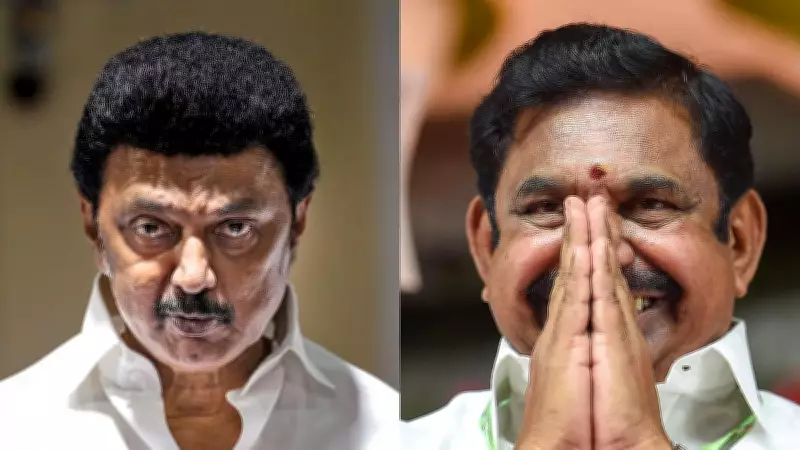
AIADMK Takes Early Lead in Tamil Nadu's 2026 Assembly Election Race
As the battle lines for the Tamil Nadu Assembly Elections in 2026 become increasingly defined, the All India Anna Dravida Munnetra Kazhagam (AIADMK) has made a significant head start in its campaign to challenge the ruling Dravida Munnetra Kazhagam (DMK). In a strategic move aimed at consolidating opposition forces, the AIADMK has allocated three crucial seats to its political allies while retaining a stronghold of 13 seats for itself. This early distribution of constituencies underscores the party's proactive approach to building a cohesive coalition capable of mounting a serious challenge to the incumbent government.
Strategic Seat Allocation Sets the Tone for Electoral Battle
The AIADMK's decision to allot three seats to its allies is a calculated effort to strengthen its electoral base and present a united front against the DMK. By securing 13 seats for its own candidates, the party ensures a robust presence in key constituencies, signaling its intent to aggressively contest the upcoming polls. This move not only highlights the AIADMK's organizational preparedness but also reflects its commitment to leveraging alliances to maximize vote share and political influence.
Political analysts suggest that this early seat distribution could give the AIADMK a psychological advantage, as it demonstrates clear planning and coordination well ahead of the election schedule. The ruling DMK, on the other hand, faces the challenge of defending its record while countering this organized opposition push. With both parties now clearly delineating their strategies, the political landscape in Tamil Nadu is poised for an intense and closely watched electoral showdown.

Implications for Tamil Nadu's Political Future
The AIADMK's head start in the 2026 elections has significant implications for the state's governance and policy direction. A successful challenge could shift the balance of power, potentially leading to changes in administrative priorities and developmental agendas. As the campaign progresses, voters will be closely monitoring how both parties address key issues such as economic growth, social welfare, and regional development.
This early maneuvering by the AIADMK sets a precedent for proactive electioneering in Indian politics, emphasizing the importance of timely strategic decisions. With the battle lines now drawn, the coming months are expected to witness heightened political activity, rallies, and debates as both the AIADMK and DMK vie for the support of Tamil Nadu's electorate.