Politics of Abusive Words & Vandalism Take Centrestage in Andhra Pradesh
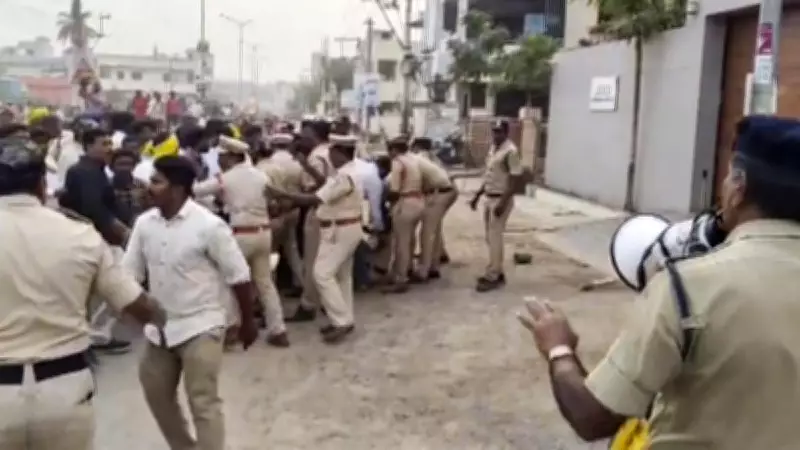
The political landscape in Andhra Pradesh has taken a disturbing turn as abusive rhetoric and acts of vandalism have become central to the ongoing conflict between major parties. Over the weekend, the home of YSRCP leader Rambabu was targeted by cadres from the Telugu Desam Party (TDP), marking a significant escalation in tensions that have been simmering for months.
Incident Details: Rambabu's Home Targeted
On Saturday and Sunday, TDP supporters reportedly gathered outside Rambabu's residence, engaging in acts of vandalism and creating a hostile environment. This aggressive response was directly linked to derogatory comments made by Rambabu against Chief Minister N Chandrababu Naidu, which have sparked widespread controversy across the state.
The incident highlights how political discourse in Andhra Pradesh has increasingly devolved into personal attacks and physical confrontations, raising concerns about the erosion of democratic norms and public safety.

Background: Derogatory Comments Fuel Conflict
Rambabu, a prominent figure in the YSR Congress Party (YSRCP), has been vocal in his criticism of the TDP-led government. His recent remarks against CM Chandrababu Naidu, described as derogatory and inflammatory, served as the catalyst for the weekend's events. Such exchanges are not isolated but part of a broader pattern where abusive language has become a tool in political rivalry.
This trend reflects deeper issues within Andhra Pradesh's political culture, where verbal assaults often precede or accompany physical aggression, undermining constructive debate and governance.
Political Implications: Escalating Tensions
The targeting of Rambabu's home signals a dangerous shift from verbal sparring to tangible acts of intimidation. It underscores the volatile nature of Andhra Pradesh politics, where party cadres are increasingly mobilized for confrontational purposes. This incident could have far-reaching consequences, potentially:
- Heightening Polarization: Deepening divides between TDP and YSRCP supporters.
- Eroding Public Trust: Diminishing faith in political institutions and leaders.
- Raising Security Concerns: Prompting calls for increased law enforcement to prevent further violence.
As the state grapples with these developments, there is growing scrutiny on how political parties will address this toxic environment and whether they can rein in their cadres to prevent future incidents.
Broader Context: A Pattern of Political Vandalism
This is not the first time that political vandalism has surfaced in Andhra Pradesh. Similar episodes have occurred in the past, often linked to heated electoral battles or personal disputes between leaders. The recurrence of such events points to systemic issues that require urgent attention from both political and civil society stakeholders.
Efforts to foster a more respectful and issue-based political discourse seem increasingly challenging as abusive words and vandalism take centrestage, threatening the democratic fabric of the state.