

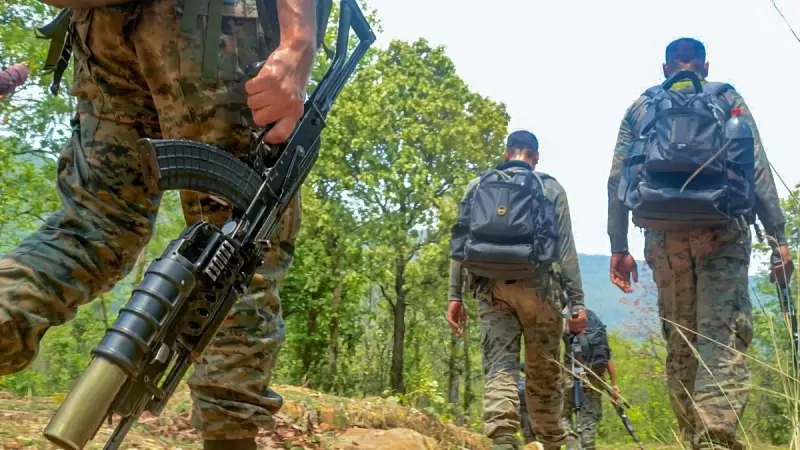
52 Naxalites Surrender in Bijapur, Embrace Government Rehabilitation
In a significant development for Chhattisgarh, fifty-two Naxalites have surrendered to authorities in Bijapur district. This move comes as part of a government-led rehabilitation drive designed to bring former insurgents back into the social fold.
Details of the Surrender
The surrender took place recently in Bijapur, a region historically affected by Naxalite activities. Local officials confirmed the event, highlighting it as a positive step towards peace and stability in the area. The individuals who surrendered include members from various ranks within the Naxalite groups.
Authorities have noted that this group of fifty-two represents one of the larger surrenders in recent months. It underscores the effectiveness of ongoing efforts to encourage Naxalites to abandon violence and seek a peaceful life.

Government Rehabilitation Initiative
The rehabilitation drive offers a structured path for former Naxalites to reintegrate into society. Under this program, participants receive support such as vocational training, financial assistance, and counseling services. The goal is to help them build sustainable livelihoods and become productive citizens.
This initiative is part of broader state and central government policies aimed at curbing Naxalite influence in Chhattisgarh. By providing alternatives to armed struggle, the government hopes to reduce incidents of violence and foster development in affected regions.
Impact on Local Communities
The surrender of these fifty-two Naxalites is expected to have a positive impact on local communities in Bijapur. Reduced insurgent activity can lead to improved security, allowing for better access to education, healthcare, and economic opportunities.
Residents have expressed cautious optimism about the development. Many hope that such surrenders will pave the way for lasting peace and progress in the district.
Future Prospects
Officials are optimistic that more Naxalites will follow suit and surrender in the coming months. The rehabilitation program continues to be promoted across Chhattisgarh, with a focus on outreach and trust-building measures.
The successful surrender in Bijapur serves as a testament to the potential of dialogue and rehabilitation over confrontation. It highlights a shift towards non-violent resolutions in addressing long-standing issues in the region.
As the government moves forward with its plans, monitoring and support for the surrendered individuals will be crucial to ensure their successful transition into mainstream society.






