

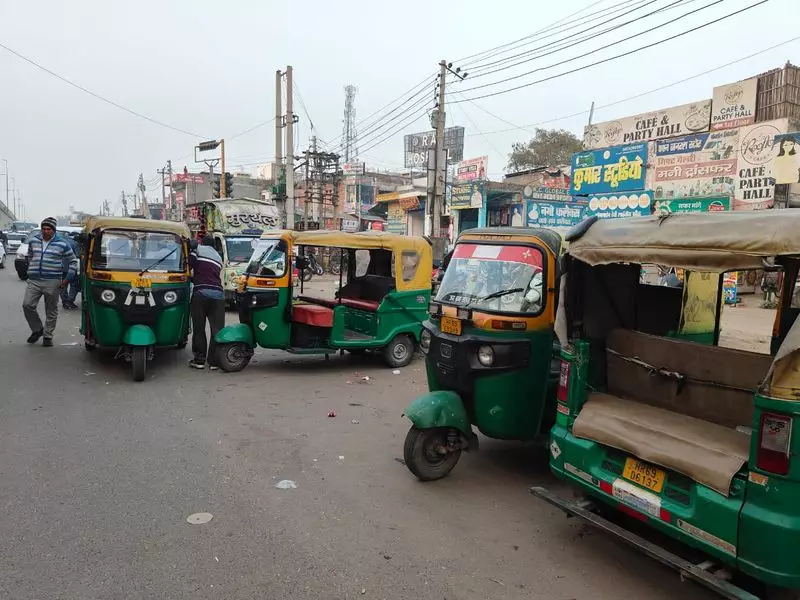
The district administration of Sonepat has announced a decisive move to improve air quality by phasing out all diesel-powered auto-rickshaws from the city's roads. The ban will come into full effect from January 1, 2025, marking a significant shift towards cleaner public transport in the region.
The Phase-Out Order and Its Rationale
Deputy Commissioner Sh. Rajesh Jogpal issued the official order, mandating the complete cessation of diesel auto-rickshaw operations within Sonepat city limits starting the new year. This directive is a direct implementation of the National Green Tribunal (NGT)'s orders aimed at combating vehicular pollution. The administration's primary goal is to encourage a transition to environmentally friendly alternatives, specifically Compressed Natural Gas (CNG) and electric auto-rickshaws.
The decision underscores a growing commitment to sustainable urban mobility. Diesel engines are known for emitting higher levels of particulate matter and nitrogen oxides, which contribute significantly to air pollution and public health issues. By removing them from the city's transport fleet, authorities aim to create a cleaner and healthier environment for Sonepat's residents.

Next Steps for Auto-Rickshaw Owners and Operators
For the city's auto-rickshaw owners and drivers, the order necessitates immediate action. The administration has made it clear that continuing to operate a diesel vehicle after the December 31, 2024 deadline will lead to legal consequences. The path forward involves converting existing vehicles to CNG kits or investing in new CNG or electric models.
This transition, while essential for long-term environmental health, may pose financial and logistical challenges for many drivers. The success of this policy will likely depend on the availability of CNG conversion facilities, financing options for new vehicles, and the expansion of supporting infrastructure like CNG filling stations and electric charging points in and around Sonepat.
Broader Impact and Future of Urban Transport
The ban in Sonepat is part of a larger, nationwide trend where Indian cities are increasingly targeting diesel vehicles, especially older commercial ones, to meet air quality standards. It sets a precedent for other districts in Haryana and neighboring states to consider similar measures for their urban centers.
This move aligns with both state and central government policies promoting cleaner fuels and electric mobility. It is expected to reduce the city's carbon footprint and noise pollution levels, potentially improving the quality of life. However, it also places the onus on the administration to ensure a just transition, possibly through schemes or support that can assist auto-rickshaw operators in adapting to this mandatory change without undue hardship.
As the deadline approaches, all eyes will be on Sonepat to see how smoothly this significant shift in public transport is managed and what lessons can be learned for other cities embarking on similar green journeys.






