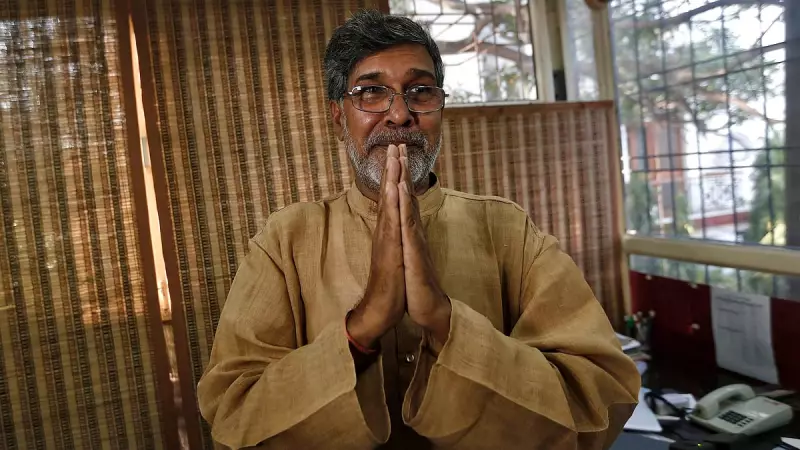
Nobel Peace Prize laureate Kailash Satyarthi has voiced a compelling argument in favor of implementing regulatory measures for social media platforms, aiming to significantly reduce their detrimental influence on individuals and communities. The renowned child rights activist emphasized that while social media offers connectivity and information sharing, its unregulated nature often leads to severe negative consequences, especially for vulnerable groups like children and adolescents.
The Urgent Need for Oversight in Digital Spaces
Satyarthi highlighted that the rapid proliferation of social media has outpaced the development of adequate safeguards, resulting in issues such as cyberbullying, misinformation, and addiction. He pointed out that these platforms can exacerbate mental health problems, including anxiety and depression, among young users who are frequently exposed to harmful content and unrealistic standards. The Nobel laureate stressed that regulation is not about stifling freedom of expression but about creating a safer online environment that protects users from exploitation and harm.
Focus on Protecting Children and Youth
Drawing from his extensive work in child welfare, Satyarthi underscored the particular vulnerability of children to the negative aspects of social media. He noted that unmonitored access can lead to exposure to inappropriate material, online predators, and peer pressure, which can have long-lasting psychological effects. By advocating for regulation, he aims to ensure that platforms implement age-appropriate content filters, robust privacy settings, and mechanisms to report abuse, thereby fostering a more secure digital ecosystem for the younger generation.

Balancing Innovation with Responsibility
In his remarks, Satyarthi acknowledged the positive role of social media in driving social change and awareness, such as in campaigns for human rights and environmental causes. However, he argued that this innovation must be balanced with corporate responsibility and ethical guidelines. He called for collaborative efforts between governments, tech companies, and civil society to develop frameworks that promote transparency, accountability, and user protection without hindering technological progress.
The activist's stance comes amid growing global concerns over the impact of social media on democracy, mental well-being, and social cohesion. His advocacy adds weight to ongoing debates about digital governance and the need for policies that prioritize public interest over profit. As India continues to navigate its digital transformation, Satyarthi's insights could influence future regulatory approaches aimed at harnessing the benefits of social media while minimizing its risks.