The Case for Pedestrian Rights
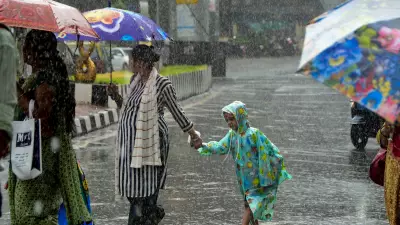
A recent report emphasizes the urgent need to prioritize pedestrians in Indian urban planning. Titled 'Right to Walk: Paving the Way,' the study highlights that despite being the most basic mode of transport, walking is often neglected in city design. The report argues that ensuring safe, accessible, and pleasant walking conditions is not just a convenience but a fundamental right.
According to the report, over 60% of urban trips in India are made on foot or by non-motorized transport. Yet, pedestrians account for a disproportionate share of traffic fatalities—around 30% of all road deaths. This stark contrast underscores the neglect of pedestrian infrastructure.
Health and Environmental Benefits
Promoting walkability offers multiple benefits. It encourages physical activity, reducing lifestyle diseases such as obesity and diabetes. Additionally, fewer short car trips mean lower carbon emissions. The report cites studies showing that walkable neighborhoods improve mental health and community interaction.

Moreover, pedestrian-friendly cities can boost local economies. Shoppers on foot tend to spend more than those driving, as they can easily browse and patronize multiple stores. The report notes that in cities like Copenhagen and Tokyo, investment in walking infrastructure has increased retail activity by up to 30%.
Current Challenges in Indian Cities
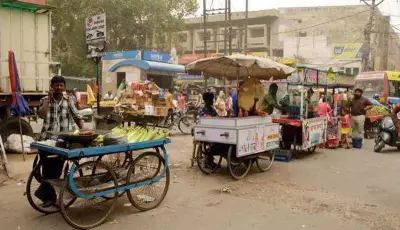
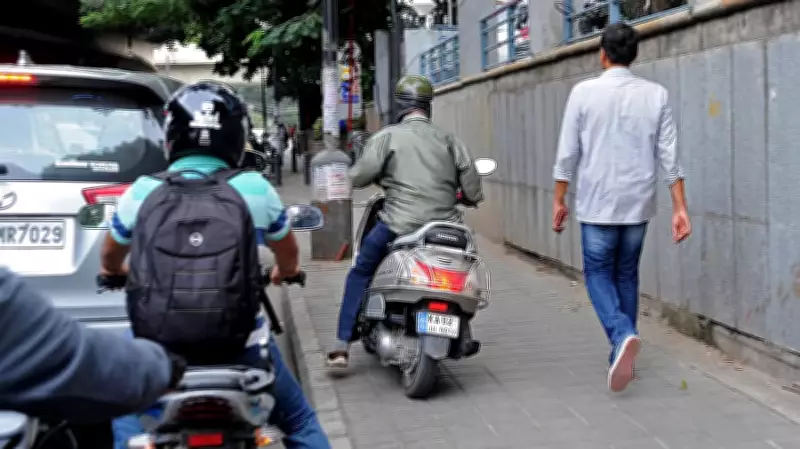
Indian cities face significant hurdles: broken footpaths, encroachments, lack of crossings, and poor lighting. The report points out that many sidewalks are used for parking or vending, forcing pedestrians onto roads. In a survey conducted across six major cities, 70% of respondents said they felt unsafe walking due to traffic and crime.
According to urban planner Dr. A. Sharma, "The right to walk is not just about mobility; it's about equity. Poor and vulnerable groups depend most on walking, yet they are the most neglected." The report calls for a paradigm shift from car-centric planning to people-centric design.
Policy Recommendations
The report recommends several measures: allocate at least 50% of road space to pedestrians and cyclists, implement strict enforcement of laws against sidewalk encroachments, and design intersections with pedestrian priority. It also suggests a 'complete streets' policy that balances all users.
Funding is a key issue. Currently, less than 1% of urban transport budgets go to pedestrian infrastructure. The report urges the government to create a dedicated fund for walkability projects, modeled after the Smart Cities Mission.
Global Examples and Local Action
Successful examples include Bogotá's Ciclovía, which closes streets to cars weekly, and Seoul's Cheonggyecheon restoration, which replaced a highway with a pedestrian-friendly stream. Indian cities like Pune and Bengaluru have started pilot projects, but scaling up remains a challenge.
The report concludes that the 'right to walk' must be enshrined in urban policy. As Dr. Sharma states, "Walking is not a luxury; it is a necessity. We must build cities that respect the pedestrian."