Pune, a city renowned for its rich cultural legacy and as a hub for students, IT professionals, and retirees, is now grappling with a disturbing new identity. A series of tragic and fatal road accidents has cast a dark shadow, raising urgent questions about the city's disregard for traffic safety norms.
A City's Alarming Reputation for Road Mishaps
The alarming trend includes last year's high-profile Porsche crash, the recent Kalyaninagar valet tragedy, and the heartbreaking Hinjewadi case where a bus claimed the lives of three children. These incidents have collectively painted a grim picture of Pune's traffic discipline, further underscored by widespread non-compliance with helmet rules. The community is demanding concrete action to prevent further loss of life.
Beyond Fines: The Push for Visible Policing and Accountability
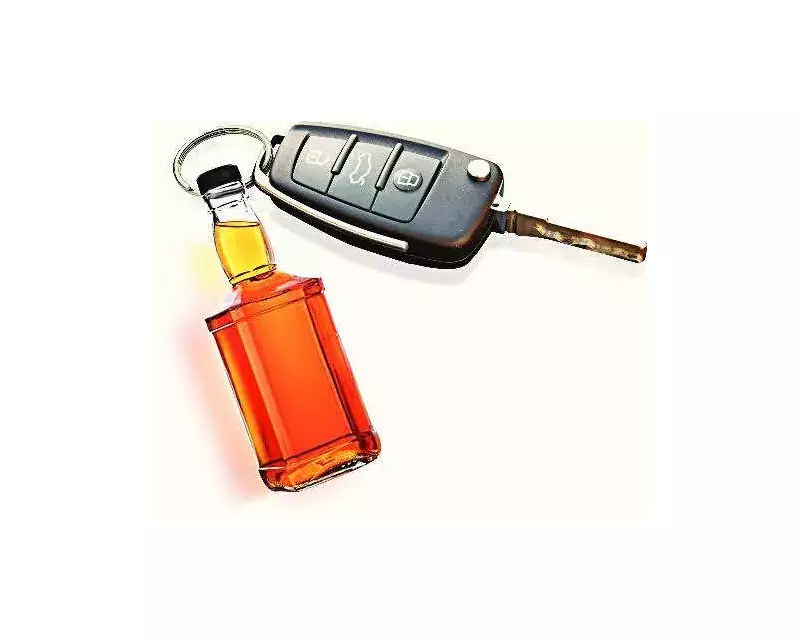
Retired police officers and safety experts argue that monetary penalties alone are ineffective deterrents. They emphasize that fines must be combined with visible patrols, mobile roadblocks (nakabandis), and continuous random inspections to create a genuine fear of being caught. A key recommendation is the compulsory alcohol testing of vehicle owners and contractors, with strict protocols for record-keeping.

Vivek Velankar of the Sajag Nagrik Manch advocates for a radical approach: naming and shaming offenders. "Fines no longer deter offenders. Enforcement must be impactful, especially near pubs and bars," he stated. He suggests publishing offenders' names on websites or public banners and making enforcement unpredictable. "Police must innovate and vehicle owners should be held accountable," Velankar added.
This sentiment is strongly echoed by former Maharashtra Director General of Police, Praveen Dixit, who pioneered the naming-and-shaming strategy in Nagpur back in 2008. "People must fear being caught and shamed," Dixit said, citing a drop in road fatalities during his initiative. He stressed that visible policing is non-negotiable and dismissed excuses like low manpower, suggesting citizen groups and even homemakers could assist. Dixit also urged IT companies and contractors to mandate alcohol checks for employees before they drive.
Leveraging Technology for Proactive Prevention
Academics and medical professionals are pushing for a tech-driven overhaul of road safety measures. Ganesh Kakandikar, Dean of Innovation, Startups and Collaboration at MIT WPU, proposed mandating advanced systems in vehicles:
- Alcohol interlocks that prevent a vehicle from starting if the driver is intoxicated.
- In-cabin sensors that can passively detect alcohol.
- AI-powered cameras to monitor drivers' facial expressions and eye movements for signs of impairment.
Supporting this, Dr. Danish H Memon, a senior consultant at Noble Hospitals, warned that even a single drink can dangerously impair driving reflexes. He explained that impairment levels vary based on an individual's weight, sex, and drinking habits, and that no amount of alcohol is completely safe for driving.
Ranjit Gadgil, programme director at the NGO Parisar, agrees that while awareness campaigns help, they are insufficient. "The only solution is frequent and random checks. This cannot be enforced electronically. It requires on-ground policing," he asserted, highlighting that the problem's true scale is often only revealed after a crash occurs. The consensus is clear: a stringent law is only as good as the fear of being caught and prosecuted under it.