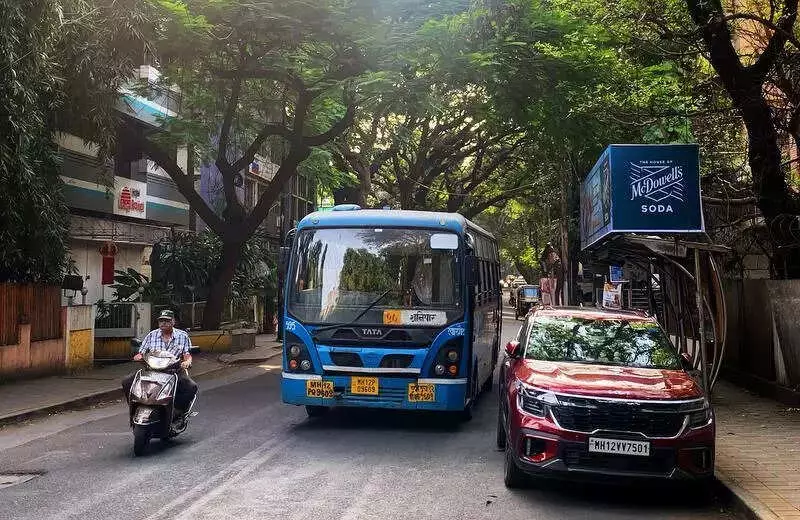
For Pune, a city whose growth depends on efficient mobility, the state of its public transport system reads like a script of unfulfilled promises. The vision of a seamless commute is constantly derailed by persistent bus breakdowns, unpredictable schedules, and abandoned initiatives like the double-decker bus revival. The core of the problem, experts argue, is a fragmented planning model that has created a deep disconnect between the city's major transport bodies.
A System at Odds with Itself
Industry analysts pinpoint the lack of coordination between the Pune Mahanagar Parivahan Mahamandal Limited (PMPML) and Maha Metro as the fundamental flaw. This siloed approach has led to missed opportunities for integrating essential feeder routes and last-mile connectivity solutions. The result is a disjointed network that fails its users, leading to long wait times, unreliable journeys, and a growing perception that infrastructure projects are valued over the daily needs of commuters.
The data underscores a troubling trend. According to Shweta Vernekar, senior programme coordinator at the sustainable development advocacy group Parisar, PMPML's ridership has been on a steady decline, a situation worsened by a recent fare hike. Ticket sales-based ridership fell to 7 lakh in September from 7.9 lakh in the same month last year. A Parisar study reveals that over the past decade, ridership has grown by a meagre 5%, despite the service area expanding.

Commuters Voice Their Daily Struggles
For the everyday user, the system's failures are a source of constant frustration. Retired banker Leena Rawke from Bavdhan describes her commute as a "game of chance," with no certainty of bus availability or adherence to timings. The lack of clear, accessible schedule information, especially for non-tech-savvy users, is a major deterrent.
Daily commuters like IT engineer Pranav Unde from Sahakarnagar echo this sentiment, reporting that buses frequently skip schedules or fail to arrive altogether. He highlights inconsistent fare collection on the same route and complaints that are closed without resolution. "The system functioned reasonably well before the Covid-19 pandemic, but it has deteriorated since then," Unde notes, adding that printed timetables at bus stops are meaningless when buses don't follow them.
Experts Call for Integrated, People-Centric Overhaul
Urban transport design expert Yogesh Dandekar stresses that meaningful change requires a complete rethink. He laments the lost opportunity to integrate PMPML with Maha Metro from its inception. "The focus must shift from moving vehicles to moving people efficiently from point A to point B," Dandekar asserts. He advocates for an integrated strategy that prioritizes first and last-mile connectivity, pointing to global models like Hong Kong's regulated minibus system as a blueprint for Pune to improve neighbourhood connectivity.
The city faces a severe shortage of buses. Pune's own Comprehensive Mobility Plan for 2025 states a requirement of 6,000 buses, but the current fleet stands at only about 2,200, with even fewer operational. Vernekar links this to the national 'DoubleTheBus Campaign,' which urges cities to meet the standard of 40-60 buses per lakh population.
In response, PMPML Chairman and Managing Director Pankaj Deore stated that the Centre has approved funds for 2,000 new buses—1,000 non-AC CNG and 1,000 electric. He acknowledged the current fleet is insufficient to meet Pune's growing demand and mentioned plans for small buses in congested areas and improved driver training and bus stop management.
However, citizen trust is fraying. The Sahakarnagar Citizens' Forum, represented by founder-member Indraneel Sadgale, has strongly condemned PMPML's decision to reduce citizen grievance meetings from weekly to just once a month, viewing it as an attempt to avoid accountability. The forum has threatened public protest if the order is not revoked, signalling a growing rift between the service provider and the people it is meant to serve.