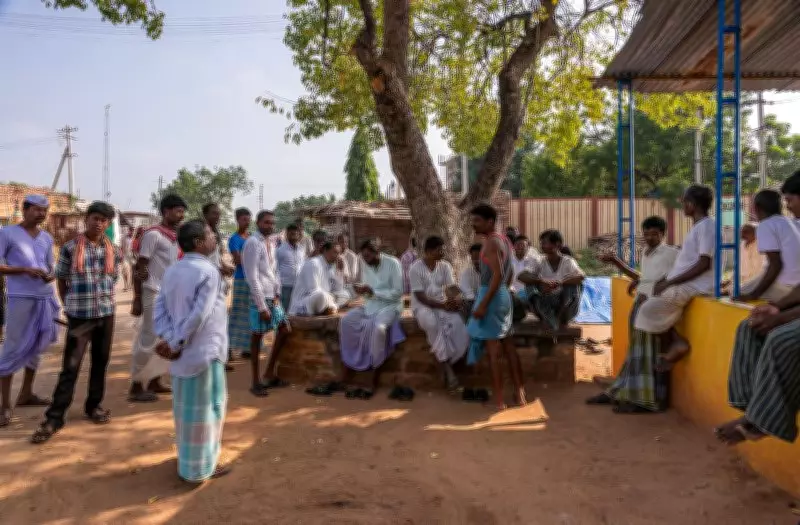
Migrant households, youth, elderly citizens, and women are the least represented groups in gram sabha meetings, according to a new national report on low participation in grassroots governance. The study, titled “Low Participation in Gram Sabha across States and Union Territories,” was prepared by the National Institute of Rural Development and Panchayati Raj (NIRD&PR) and highlights transparency concerns, trust deficit, political interference, and weaker grievance resolution as key factors discouraging wide participation.
Key Findings on Participation Barriers
The report, which surveyed nearly 7,800 respondents across about 400 gram panchayats in 26 states and Union territories—including 213 districts and PESA and women-friendly gram panchayats—found that busy work schedules (41.74%) and agricultural activities (30.26%) are major occupational constraints behind low attendance. The study provides valuable evidence to strengthen citizen engagement and grassroots democracy.
According to the report, citizens increasingly evaluate gram sabhas not merely by whether meetings are conducted, but by the relevance of discussions, institutional responsiveness, transparency, and visible implementation of resolutions. “Strengthening grassroots democracy participation requires moving beyond attendance-focused approaches towards improving awareness, procedural literacy, inclusion, transparency, responsiveness and visible governance outcomes,” the report stated.

Recommendations for Improvement
Among the major recommendations is leveraging digital technologies such as SMS alerts, WhatsApp groups, IVRS systems, panchayat digital notice boards, and eGramSwaraj-linked communication systems to enhance participation. The two-volume report also highlights best practices from 10 states for improving gram sabha engagement.
The findings underscore that sustained citizen engagement depends not only on mobilizing people to attend meetings, but also on ensuring that gram sabhas remain relevant, trusted, responsive, and capable of addressing community priorities. The NIRD&PR study aims to assess factors influencing public participation and identify measures to strengthen citizen involvement in grassroots governance.